Warranties
Flat Roof Replacement Cost: 5 Factors That Affect Pricing
Flat roof replacement cost is one of the first things homeowners and property owners want to understand before starting the conversation with a contractor, and for good reason. It is a significant investment, and the final number can vary widely depending on decisions that are made before a single nail is driven. Knowing what drives the price helps you budget accurately, ask better questions, and avoid surprises when quotes come in.
Here is what this guide covers:
- What flat roof replacement actually costs: Real price ranges by material and roof size so you have a baseline before calling anyone.
- The 5 factors that move the number up or down: A clear breakdown of what contractors are pricing when they give you a quote.
- What to watch for in the Carolinas: Regional considerations that affect flat roof pricing specifically in NC and SC.
What Is the Average Cost to Replace a Flat Roof?
Flat roof replacement costs between $4 and $15 per square foot installed, with most homeowners and property owners spending between $6,000 and $22,500 for a standard 1,500 square foot roof. The national average sits around $7,400 for a complete replacement. That wide range is not vagueness on the part of contractors. It reflects how dramatically the five factors below can shift the final price depending on your specific situation.
Understanding each factor individually makes the pricing logic much clearer.
5 Factors That Affect Flat Roof Replacement Cost
No two flat roof replacements are priced identically because no two roofs are in the same condition, built from the same materials, or located in the same market. Contractors are pricing a combination of material costs, labor hours, roof complexity, and existing conditions every time they put a number on paper. Here is exactly what they are looking at.
1. Roofing Material
The material you choose is the single biggest driver of flat roof replacement cost, and the options span a wide price range with real differences in performance, lifespan, and maintenance requirements. Each material has a sweet spot in terms of application, and the right choice depends on your roof size, budget, and how long you plan to own the property.
- TPO (Thermoplastic Polyolefin): A single-ply membrane that costs $5 to $10 per square foot installed. It is white or light-colored, reflects heat well, and is one of the most popular choices in the Carolinas for both residential and commercial flat roofs due to its energy efficiency and relatively low cost.
- EPDM (Ethylene Propylene Diene Monomer): A rubber membrane that runs $5 to $9 per square foot installed. EPDM is highly durable, handles temperature swings well, and is a common choice for residential flat roofs and low-slope additions.
- PVC (Polyvinyl Chloride): A premium single-ply membrane at $6 to $12 per square foot installed. PVC offers the strongest chemical and puncture resistance of the membrane options and is often specified for roofs near HVAC units or grease exhaust.
- Modified Bitumen: An asphalt-based system that costs $4 to $8 per square foot installed. It is a reliable, proven material that has been used for decades on low-slope roofs and is often a cost-effective choice for smaller residential applications.
- Built-Up Roofing (BUR): Multiple layers of asphalt and felt topped with gravel, priced at $4 to $10 per square foot installed. BUR is one of the oldest flat roofing systems and is still in use, though it has been largely replaced by single-ply membranes on most new installations.
2. Roof Size and Complexity
Roof size is the most straightforward cost factor. More square footage means more material and more labor hours, which translates directly into a higher total price. However, size is not just about square footage. A flat roof with multiple penetrations, parapets, drains, HVAC curbs, skylights, or irregular shapes takes significantly more time and material to waterproof correctly than a clean, open rectangle of the same total area.
- Roof size: Contractors typically price flat roofing by the square, which equals 100 square feet. A 2,000 square foot roof equals 20 squares. Larger roofs often see a slightly lower per-square price due to labor efficiency.
- Number of penetrations: Each pipe, vent, HVAC curb, or skylight requires custom flashing and additional labor. A roof with 10 penetrations will cost more per square foot than one with two.
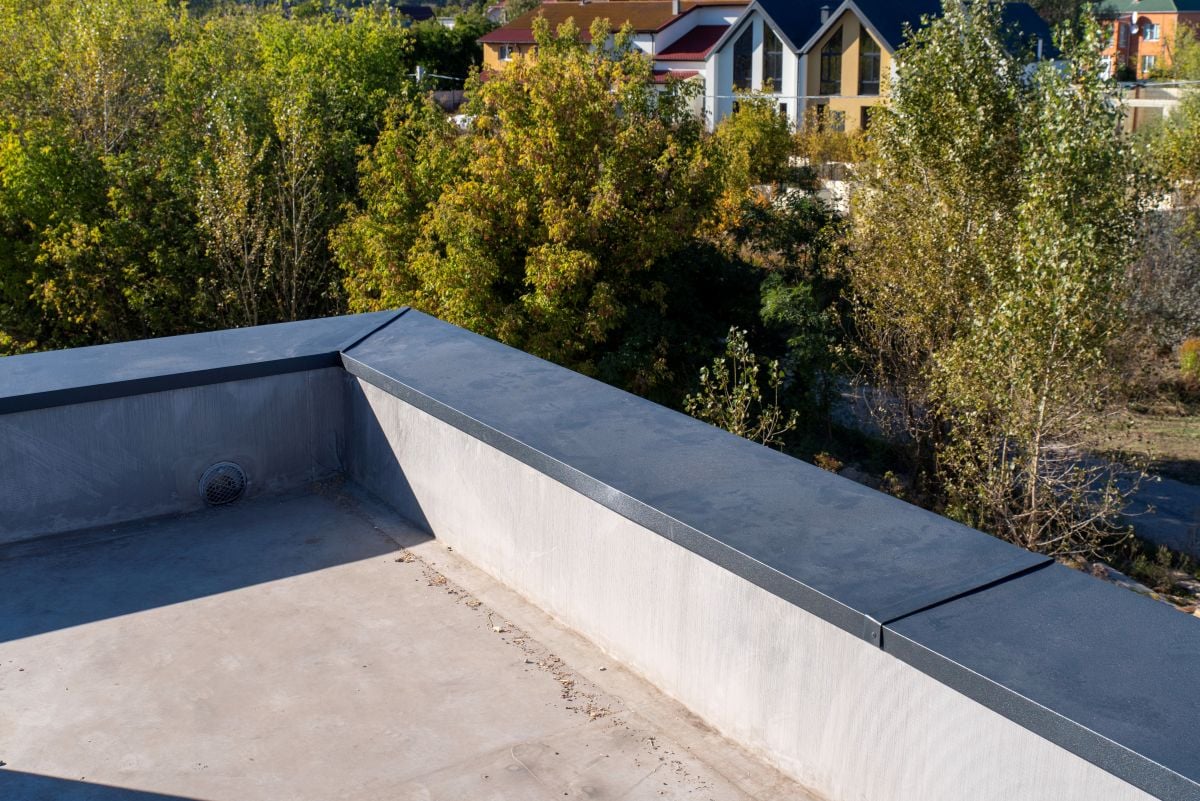
- Parapet walls: Roofs enclosed by parapet walls require additional flashing at every wall transition. The taller and more complex the parapet, the more it adds to the labor cost.
- Roof access: A roof that is difficult to access, either due to building height, tight site conditions, or the need for special equipment, increases labor time and may require equipment rental costs to be passed along.
3. Tear-Off and Disposal of the Existing Roof
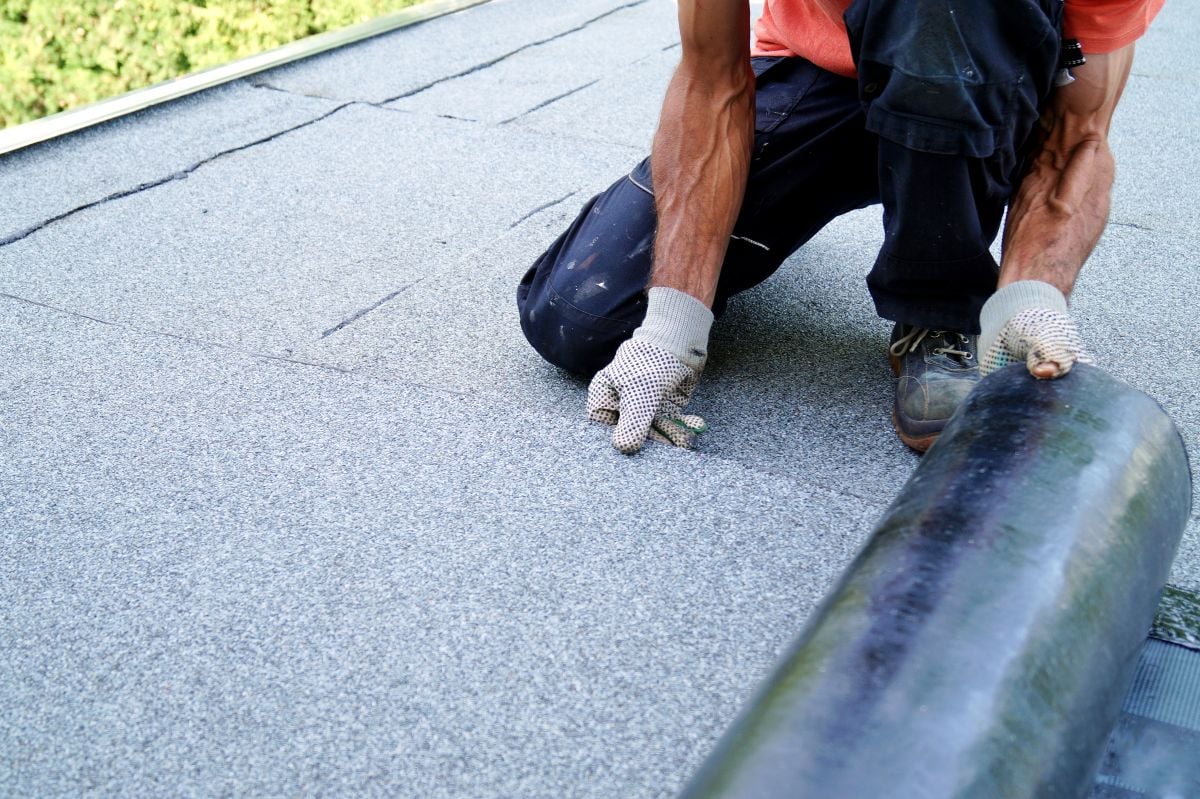
Before a new flat roof can go on, the old one usually has to come off. The cost of removing and disposing of the existing roofing system is a line item that some contractors include in their base price and others quote separately. Tear-off typically adds $1,000 to $1,500 to the total cost on a standard residential flat roof. On larger commercial roofs or roofs with multiple existing layers, that number rises.
- Single layer removal: Most flat roof tear-offs involve removing one membrane layer. This is the most straightforward scenario and the least expensive.
- Multiple layers: Some roofs have been recovered rather than replaced in previous years. Removing multiple layers significantly increases labor hours and disposal weight, which raises dump fees.
- Hazardous materials: Older roofing systems, particularly built-up roofs installed before the 1980s, may contain asbestos-containing materials that require special handling and certified disposal. This adds cost and requires a licensed abatement contractor.
- Decking condition: Once the old roofing is removed, the decking beneath is inspected. Damaged, rotted, or deteriorated decking must be repaired or replaced before the new system goes on. This is a common source of additional costs on older roofs.
4. Drainage and Slope Corrections
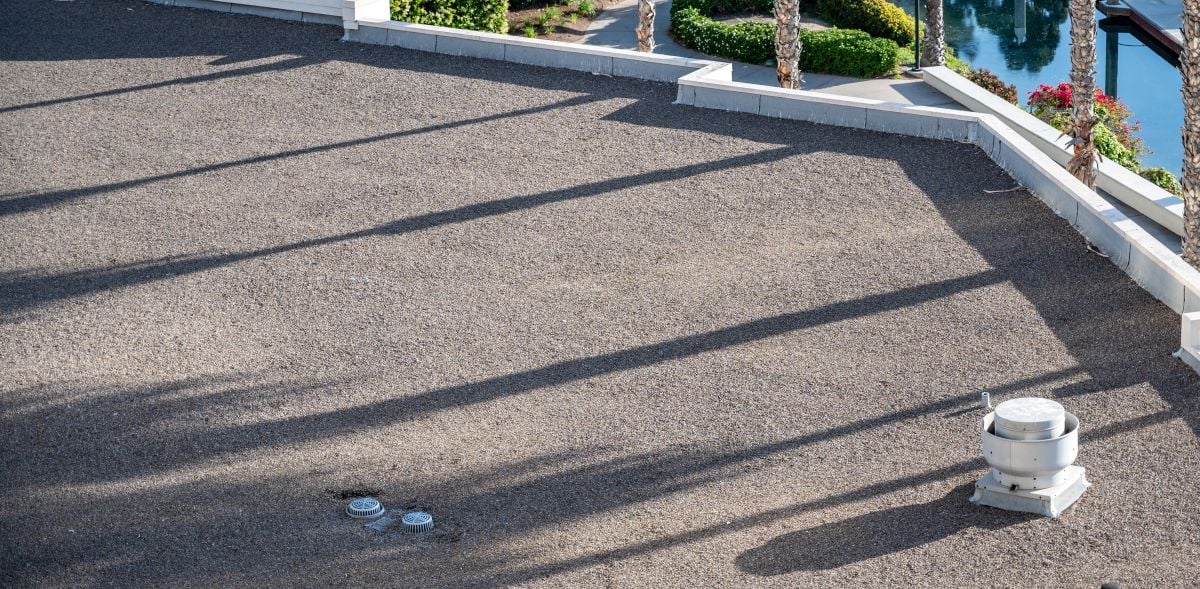
A flat roof is never perfectly flat. It requires a slight slope, typically a minimum of one-quarter inch of fall per horizontal foot, to direct water toward drains, scuppers, or gutters. When drainage is inadequate or drains are clogged, water pools on the roof surface. Standing water is the primary cause of flat roof failures because it accelerates membrane degradation, adds structural weight, and finds any weak point in the system over time.
- Existing drainage problems: If the current roof has areas of chronic ponding water, the contractor may need to install tapered insulation to correct the slope. Tapered insulation systems add $1 to $3 per square foot to the total cost but significantly extend the life of the new roof.
- Drain replacement or addition: Old or undersized roof drains may need to be replaced or supplemented with additional drains. Each drain replacement adds $300 to $600 in parts and labor.
- Scupper installation: On roofs with parapet walls, scuppers allow water to exit through the wall. Adding or enlarging scuppers during a replacement is far less expensive than addressing drainage failures after the new roof is installed.
- Internal vs. external drainage: Internal drains connect to the building’s plumbing system and are more complex to work around than external scuppers or edge-drainage systems. Any modification to internal drain lines requires coordination with a plumber.
5. Labor Rates and Local Market Conditions
The same material installed on the same size roof costs different amounts in different markets. Labor rates for roofing vary by region, by the time of year, and by the specific contractor’s experience level and overhead structure. In North Carolina and South Carolina, labor typically accounts for 40 to 60 percent of the total flat roof replacement cost. In New Bern and surrounding areas, market conditions, contractor availability, and the logistics of material delivery all factor into what you will see on a quote.
- Contractor experience and certification: A GAF-certified or manufacturer-credentialed contractor may carry a higher labor rate than an uncertified competitor, but that certification often comes with access to longer manufacturer warranties that have real monetary value.
- Seasonal timing: Roofing contractors are busiest in spring and fall in the Carolinas. Scheduling a replacement during slower winter months can sometimes result in more competitive pricing, though it depends on contractor availability and weather windows.
- Permit costs: Most flat roof replacements require a permit. In NC and SC, permits typically run $250 to $600 depending on the jurisdiction and the scope of the work. A licensed contractor handles the permit process and includes it in the quote.
- Warranty options: Extended manufacturer warranties on flat roofing membranes can add cost to the installation but provide 15, 20, or even 25 years of coverage on materials and workmanship. For property owners managing buildings over the long term, these warranties represent a meaningful risk transfer.
Repair vs. Replacement: How Do You Know Which One You Need?
Not every flat roof problem requires a full replacement. The decision comes down to the age of the roof, the extent of the damage, and the cumulative cost of repairs relative to replacement. A useful benchmark is that if repairs in recent years have exceeded 30 percent of the replacement cost, or if the roof is within five years of the end of its expected lifespan, replacement typically delivers better long-term value than continued patching.
A qualified contractor will assess the condition of the membrane, the insulation beneath it, and the decking during a free inspection. That assessment is the right starting point for any conversation about flat roof replacement.
Frequently Asked Questions
How long does a flat roof last?
Most flat roofing membranes last 15 to 25 years depending on the material, installation quality, and maintenance. TPO and PVC membranes typically last 20 to 25 years. EPDM averages 15 to 20 years. Modified bitumen and built-up roofing systems have similar lifespans with proper maintenance.
Is a flat roof more expensive to replace than a pitched roof?
Flat roofs are generally less expensive to replace per square foot than steeply pitched roofs because they are easier to work on safely and require less specialized labor. However, flat roofs require more frequent replacement cycles than steep-slope roofs, which affects the total cost of ownership over a building’s life.
Can a flat roof be replaced in one day?
A small residential flat roof, such as a garage or addition, can often be replaced in a single day. A larger residential or commercial flat roof typically takes two to four days depending on size and complexity. Custom or complex roofs with significant penetrations or drainage work may take longer.
Does homeowners insurance cover flat roof replacement?
Insurance coverage depends on the cause of the damage. Storm damage, hail, and wind damage are typically covered. Replacement due to age or general wear and tear is not. Stormgrade specializes in helping homeowners and property owners navigate the insurance claim process and will identify covered damage during the inspection.
What is the best flat roofing material for the Carolinas?
TPO is the most widely used flat roofing material in the Carolinas for both residential and commercial applications. Its white reflective surface helps manage heat gain in the hot summer months, it performs well in wet conditions, and it offers a strong combination of cost and longevity. EPDM is also a solid choice for smaller residential applications.
Do I need a permit to replace a flat roof in NC or SC?
Yes, in most jurisdictions a permit is required for a full flat roof replacement. Permit requirements vary by city and county. A licensed contractor will know the local requirements and handle the permitting process as part of the job.
Stormgrade Gives You a Clear, Honest Flat Roof Estimate
Understanding flat roof replacement cost is the first step. Getting an accurate number for your specific roof requires an inspection by someone who knows what they are looking at. Stormgrade is a family-owned, GAF Master Elite, BBB Accredited roofing contractor serving homeowners and property owners throughout North Carolina and South Carolina, including New Bern and surrounding areas.
We offer free inspections and can typically be on-site within 24 hours. Our team will assess your roof’s condition honestly, walk you through your material options, and give you a detailed quote with no pressure and no surprises. If storm damage is involved, we handle the insurance claim process from start to finish. Flexible financing is available for those who want to move forward without delay, and warranties are available on both materials and workmanship.
Reach out to Stormgrade today to schedule your free flat roof inspection. The proof is in the roof.