Roofing
How Long Does It Take to Replace a Roof? 7 Steps From Inspection to Installation
If you are wondering “how long does it take to replace a roof“, the reassuring answer is that the actual installation on most homes takes just one to three days once the crew is on site. The full process, from the first inspection to the final cleanup, involves several steps that unfold over a few weeks, and understanding each one helps you plan, set realistic expectations, and know exactly what is happening at every stage. This guide walks you through the entire timeline so there are no surprises.
Here is what this guide covers:
- The real timeline: How long each stage of a roof replacement actually takes, from first call to final inspection.
- What happens at each step: A clear breakdown of the seven stages so you know what to expect and when.
- What can affect the schedule: The factors that speed up or slow down a roof replacement so you can plan accordingly.
How Long Does a Roof Replacement Take, Start to Finish?
The active installation of a typical asphalt shingle roof takes one to three days for most residential homes. Smaller or simpler roofs are often completed in a single day, while larger homes or those with steep pitches, multiple valleys, or premium materials can take three to five days or more. Metal roofs generally take two to seven days, and tile or slate can take a week or longer.
The installation itself is only part of the story, though. The full process, from your first phone call through inspection, material ordering, scheduling, installation, and final sign-off, typically spans two to four weeks. Most of that time is spent on preparation and waiting for materials and scheduling, not on the physical work. The seven steps below break down the entire process so you know what to expect at each stage.
7 Steps of a Roof Replacement, From Inspection to Installation
A professional roof replacement follows a consistent sequence, and each step plays a role in making sure the finished roof performs the way it should for decades. Knowing what happens at each stage helps you understand where the time goes and what your contractor should be doing on your behalf. In Aiken and surrounding areas, weather and scheduling season can influence the overall timeline, but the sequence of steps stays the same. Here is exactly how the process unfolds.
1. The Initial Inspection and Assessment
Every roof replacement begins with a thorough inspection. A qualified contractor examines the condition of your shingles, flashing, decking, ventilation, and the overall structure to determine whether a replacement is truly needed and what the work will involve. This inspection typically takes one to two hours and should cost you nothing. It is also when the contractor identifies any underlying issues, such as damaged decking or ventilation problems, that need to be addressed as part of the work.
- Time required: Usually one to two hours on site for a complete assessment of the roof and its components.
- What is checked: Shingle condition, flashing, decking, attic ventilation, signs of leaks, and the overall structural condition of the roof.
- Cost to you: A reputable contractor like Stormgrade provides this inspection free of charge with no obligation.
- Why it matters: A thorough inspection catches problems that affect both the scope and the timeline, so there are fewer surprises once work begins.
2. The Estimate and Material Selection
After the inspection, the contractor prepares a detailed written estimate and helps you choose your roofing materials. This is where you decide on the type of shingle or roofing material, the color, and any upgrades such as improved underlayment or ventilation. Taking the time to review the estimate carefully and ask questions here prevents confusion later. This step usually takes a few days, largely depending on how quickly you make your material decisions.
- Time required: Typically two to five days, much of which depends on your decision-making on materials and color.
- Review the details: A good estimate breaks down labor and materials separately and specifies the exact products being installed.
- Material choices: Asphalt shingles are the most common and fastest to install, while metal, tile, and slate take longer and cost more.
- Ask about warranties: This is the time to understand both the manufacturer warranty on the materials and the workmanship warranty from the installer.
3. Permitting and Scheduling
Most roof replacements require a permit, and obtaining it is a step your contractor should handle for you. Permit processing times vary by jurisdiction and can take anywhere from a day to a couple of weeks. At the same time, your installation is scheduled based on crew availability and weather. During busy seasons, typically spring and fall, you may wait a few weeks for an available slot, which is a normal part of working with a reputable, in-demand contractor.
- Time required: Permitting and scheduling together typically add one to three weeks, depending on the jurisdiction and time of year.
- Permits are handled for you: A licensed contractor knows the local requirements and manages the permit process as part of the job.
- Seasonal demand: Spring and fall are the busiest roofing seasons in the Carolinas, so scheduling may take longer during these periods.
- Weather planning: Your contractor schedules with the weather forecast in mind, since shingle installation requires dry conditions and temperatures that allow proper sealing.
4. Material Delivery and Site Preparation
In the days before installation, your roofing materials are delivered and the work site is prepared. The contractor takes steps to protect your property, including covering landscaping, moving vehicles away from the work area, and setting up for debris collection. Good preparation protects your home and belongings and allows the installation to proceed efficiently once the crew arrives.
- Time required: Usually completed the day before or the morning of installation.
- Property protection: Crews cover plants, shrubs, and outdoor items, and place tarps to catch debris during tear-off.
- What you should do: Move vehicles out of the driveway, secure or remove items from walls and shelves inside, since vibration can dislodge them, and keep pets indoors and calm.
- Material staging: Shingles and supplies are delivered and positioned for easy access, which keeps the installation moving smoothly.
5. Tearing Off the Old Roof
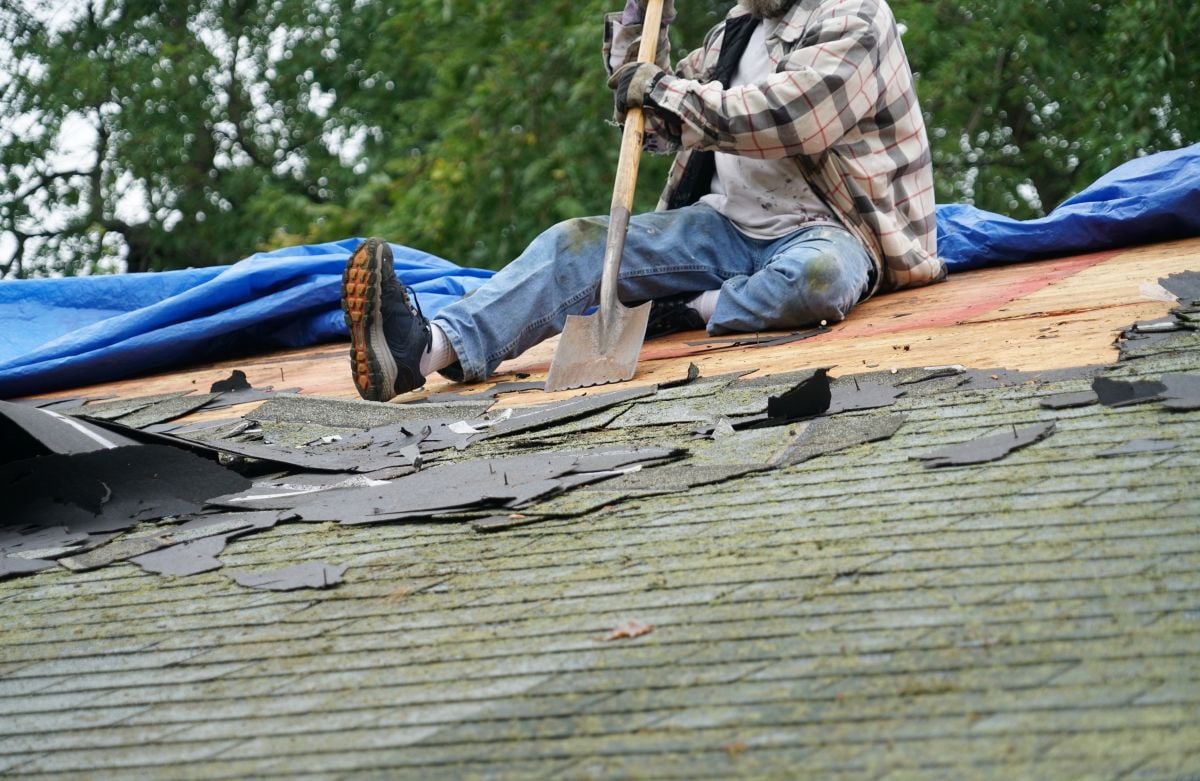
On installation day, the first task is removing the existing roofing material down to the decking. Tear-off usually takes a few hours to a full day depending on the size of the roof and how many layers of old roofing need to come off. Roofs with multiple layers take longer and generate more debris. Once the old material is removed, the decking underneath is exposed and can be inspected for damage.
According to multiple roofing industry sources, the average residential asphalt shingle roof replacement is completed in one to three days of active work, with tear-off representing a significant portion of the first day’s labor.
- Time required: A few hours to one full day depending on roof size and the number of existing layers.
- Multiple layers add time: Roofs with two or more layers of old shingles take longer to tear off and produce more debris to haul away.
- Decking inspection follows: Once the old roofing is removed, the decking is checked for rot, water damage, or soft spots.
- Cleanup runs throughout: A good crew manages debris continuously during tear-off rather than letting it pile up.
6. Deck Inspection and Repairs
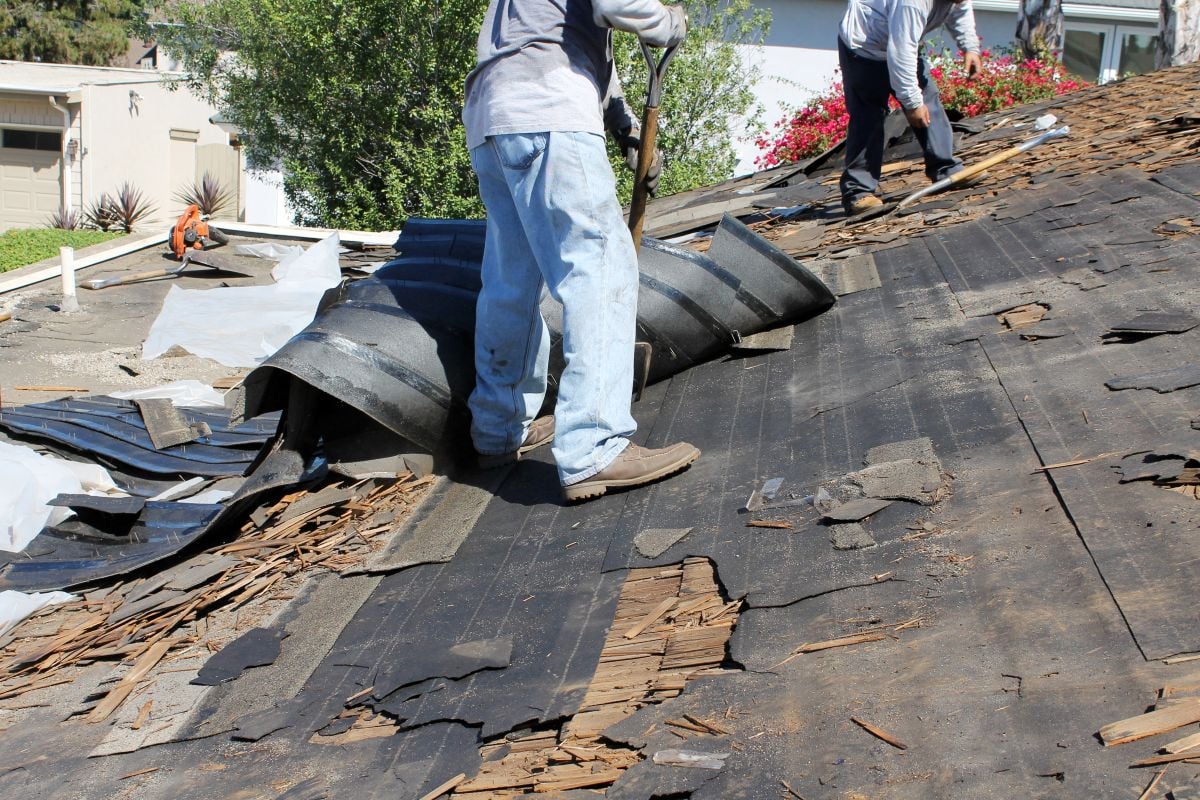
With the old roofing removed, the roof decking is inspected before any new material goes on. This is a critical step because the decking is the foundation the entire roof relies on. If rot, water damage, or deteriorated sections are found, they must be replaced before installation continues. Minor decking repairs add just a few hours, while more extensive replacement can add one to two days to the timeline. This is one of the most common reasons a roof replacement takes longer than initially estimated.
- Time required: A few hours for minor repairs, or one to two additional days for extensive decking replacement.
- Why it cannot be skipped: Installing a new roof over damaged decking leads to premature failure and voids warranties.
- A common surprise: Decking damage is often hidden until the old roofing is removed, so some flexibility in the timeline is wise.
- Foundation for everything: Sound decking is what the underlayment, flashing, and shingles all attach to, making this step essential to a lasting roof.
7. Installing the New Roof and Final Inspection
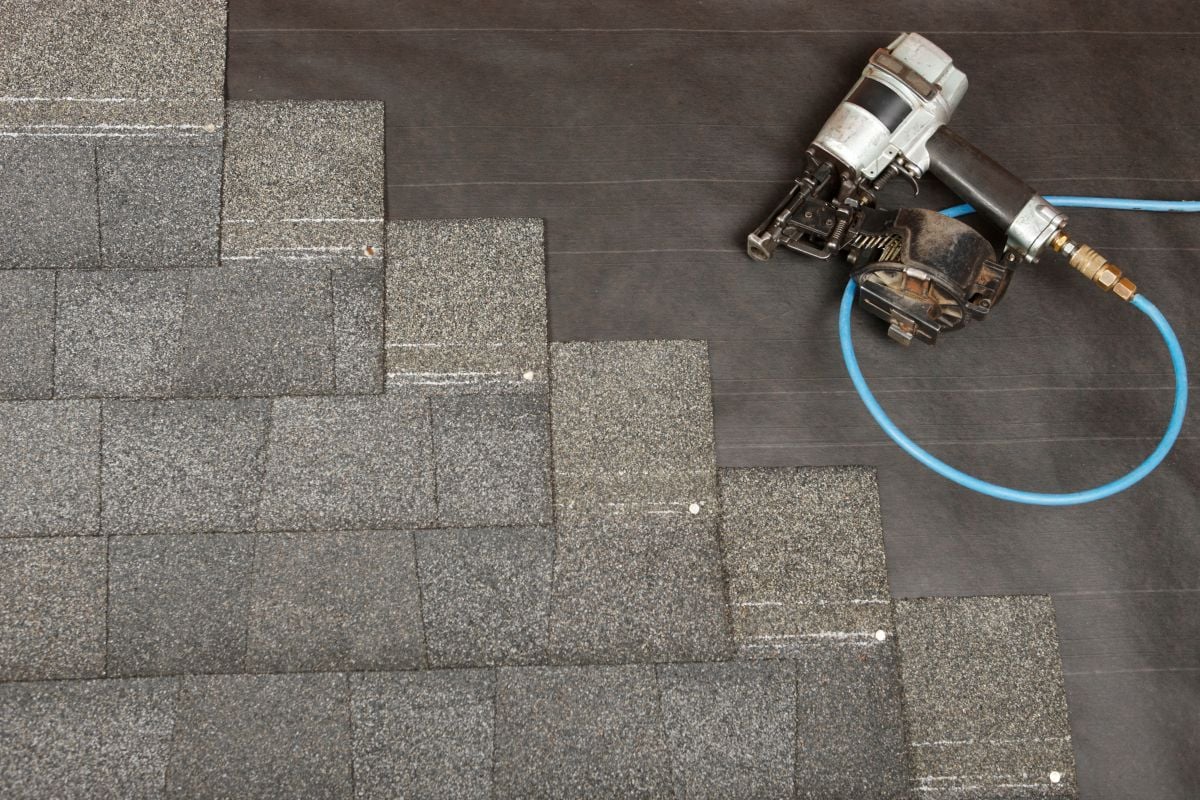
The final step is installing the new roofing system and conducting a thorough cleanup and inspection. The crew installs underlayment, flashing, shingles or your chosen material, and ridge components in the proper sequence. Once installation is complete, the crew removes all debris, uses magnetic tools to collect stray nails from the yard, and the contractor performs a final walkthrough to confirm the quality of the work. For most homes, installation and final inspection are completed within the one to three day window.
- Time required: The bulk of the one to three day installation window, including final cleanup and inspection.
- Proper sequence: Underlayment, drip edge, flashing, shingles, and ridge cap are installed in a specific order for correct performance.
- Thorough cleanup: Crews use magnetic sweepers to collect nails from the lawn and driveway, protecting your family and vehicles.
- Final walkthrough: The contractor inspects the finished roof and reviews warranty documentation with you before considering the job complete.
What Factors Can Change the Timeline?
While one to three days of installation is the norm, several factors can shorten or lengthen the overall timeline. Understanding them helps you plan realistically and avoid frustration if the schedule shifts. In Aiken and surrounding areas, weather is often the biggest variable, since shingle installation requires dry conditions to proceed safely and seal correctly.
Roof size and complexity are major factors, as larger roofs and those with steep pitches, multiple valleys, dormers, or skylights take longer to install safely. Roofing material matters significantly, with asphalt shingles installing fastest and tile or slate taking a week or more. Weather is the most unpredictable factor, since rain, high wind, or temperatures below 40 to 45 degrees can pause installation to protect quality. Decking repairs add time when hidden damage is discovered during tear-off. Finally, crew size and experience affect the pace, as an experienced crew works efficiently without cutting corners.
Frequently Asked Questions
How long does it take to replace an average asphalt shingle roof?
Most average-sized asphalt shingle roofs are replaced in one to three days of active work. Smaller, simpler roofs are often done in a single day, while larger homes or those with complex layouts may take up to three days. Asphalt shingles are the fastest common roofing material to install.
How long does the entire roof replacement process take from start to finish?
While the installation itself takes one to three days, the full process from initial inspection through permitting, material ordering, scheduling, and installation typically spans two to four weeks. Most of that time is preparation and scheduling rather than physical work on the roof.
Do I need to leave my house during a roof replacement?
No, you can typically stay home during a roof replacement. The work is noisy, however, and the vibration can be significant, so if you work from home or have young children or pets sensitive to noise, you may want to make other arrangements for the installation days.
What happens if it rains during my roof replacement?
Reputable roofers monitor the weather closely and will not tear off more roof than they can make watertight before rain arrives. If weather interrupts the work, the crew protects the exposed areas with tarps and resumes once conditions allow. This may extend the timeline but protects your home.
Does replacing a roof over the existing shingles save time?
A roof-over, where new shingles are installed over the existing layer, can save time by eliminating tear-off, but it is not suitable for every home and is not always advisable. It can hide underlying decking problems and may not qualify for the same warranties. A professional inspection determines whether it is an appropriate option.
What time of year is best for a roof replacement?
Late spring and early fall typically offer the best combination of mild, dry weather and workable temperatures for shingle sealing. These are also the busiest seasons, so scheduling may take longer. Roofs can be replaced year-round in the Carolinas with proper planning around the weather.
Stormgrade Replaces Your Roof Efficiently and Right the First Time
Now that you know how long a roof replacement takes and what happens at each stage, the next step is working with a contractor who respects your time and your home. Stormgrade is a family-owned, GAF Master Elite, BBB Accredited roofing contractor serving homeowners throughout North Carolina and South Carolina, including Aiken and surrounding areas. Our experienced crews work efficiently without cutting corners, keep you informed at every stage, and leave your property clean when the job is done.
We offer free inspections and can typically be on-site within 24 hours to assess your roof and give you a clear timeline and estimate. If storm damage is involved, we are storm damage specialists who handle the insurance claim process from start to finish. Financing is available, warranties are available on both materials and workmanship, and our maintenance program helps protect your investment for years to come.
Reach out to Stormgrade today to schedule your free roof inspection and get a realistic timeline for your home. The proof is in the roof.