Warranties
8 Common Residential Window Problems And How to Fix Them
Most residential window repair calls come down to the same handful of problems showing up in the same handful of ways. Whether you’re noticing a draft on a still day, foggy glass that won’t clear, or a window that takes two hands and a prayer to open, these issues are almost always diagnosable and fixable once you know what you’re looking at.
Here’s what this guide covers:
- How to identify each problem: What the symptom looks like and what’s actually causing it beneath the surface.
- What the fix involves: Whether it’s a simple DIY repair, a hardware swap, or a situation that calls for professional help.
- When repair isn’t enough: The specific signs that point toward replacement rather than a patch job.
8 Most Common Window Problems Homeowners Face
Window problems usually fall into one of two categories: performance failures, where the window no longer keeps air or water out the way it should, and mechanical failures, where the hardware or frame prevents the window from operating correctly. Both categories can often be repaired, but the right fix depends on understanding what specifically has failed. The eight problems below cover the most common issues homeowners run into across all window types and ages.
Here is a clear breakdown of each problem, what causes it, and how to address it.
1. Foggy or Cloudy Glass Between the Panes
Condensation or fogging trapped between the glass panes of a double-pane window means the insulated glass unit (IGU) seal has failed. The seal failure allows the inert gas fill, typically argon or krypton, to escape and lets humid air replace it. When that moisture-laden air heats and cools with temperature changes, it condenses on the interior glass surfaces and creates the cloudy appearance that won’t wipe away because it’s on the inside of the sealed unit.
- What causes it: Age, UV degradation, physical impact, or improper installation can all break down the rubber seal that keeps the IGU airtight.
- Can it be repaired: In some cases a technician can drill small holes, inject a desiccant solution, and reseal the unit. Results vary and the fix is not permanent.
- When to replace: If the window is more than 15 years old, if the fogging is severe, or if the frame itself is damaged, replacing the whole window unit is the more cost-effective long-term solution.
- What it costs to ignore: A failed IGU no longer insulates. According to the U.S. Department of Energy, windows account for 25 to 30 percent of residential heating and cooling energy use, and a compromised seal accelerates that loss significantly.
2. Drafts Around a Closed Window
A draft coming through a fully closed window means air is finding a path past the frame, the sash, or the weatherstripping. This is one of the most common complaints homeowners raise, and it is also one of the most impactful on comfort and energy bills. In Columbia and surrounding areas, drafty windows can add meaningfully to cooling costs during the long humid summers.
- Failed weatherstripping: The foam, felt, or rubber strip that seals the gap between the sash and the frame compresses and deteriorates over time. It can be pulled out and replaced in under an hour with materials from any hardware store.
- Gaps in exterior caulk: The bead of caulk sealing the window to the siding cracks with age and sun exposure. Scraping out the old caulk and applying a fresh bead of exterior-grade siliconized acrylic is a straightforward repair.
- Warped or shrunk sash: If the sash itself has changed shape, weatherstripping replacement alone may not fully close the gap. A professional can assess whether the sash can be adjusted or needs replacing.
- Failed frame seal: On older windows with wood frames, the frame itself can shrink and pull away from the surrounding wall, creating gaps that require flashing and caulk repairs from the exterior.
3. Window Won’t Open or Close
A window that sticks, drags, or refuses to move is both a convenience problem and a safety concern. In an emergency, a window that won’t open fast can matter. The cause depends on the window type and its age, but the most common culprits are paint buildup, debris in the track, swollen wood frames, and worn hardware.
- Paint buildup: Painted-shut windows are extremely common in older homes. A utility knife scored along the paint line between the sash and the stop, followed by gentle pressure, usually frees the sash without damage.
- Debris in the track: Dirt, dust, and dead insects accumulate in window tracks and prevent smooth operation. Clean the tracks with a stiff brush and apply a silicone-based lubricant, not WD-40, which attracts more debris.
- Swollen wood frames: Wood expands with moisture. If a window sticks only during humid seasons and frees up in dry weather, this is the cause. Light sanding of the contact points and a coat of paint or sealant on the bare wood helps.
- Worn or broken balance hardware: Double-hung windows use spring or block-and-tackle balances to counterweight the sash. When these fail, the sash feels heavy or won’t stay open. Balances can be replaced with basic tools and the right replacement part.
4. Water Leaking In Around the Window
Water infiltration around a window is a serious problem that escalates quickly. What starts as a small stain on the interior casing can progress to mold growth inside the wall, rotted framing, and damaged drywall if left unaddressed. The source of the leak isn’t always directly above or beside where the water appears, so tracing it carefully before starting any repair matters.
- Failed exterior caulk: The most common entry point for water is the joint between the window frame and the siding. Resealing with exterior-grade caulk after removing the old material is the first repair to attempt.
- Missing or failed flashing: Flashing is the metal or self-adhering tape that redirects water away from the rough opening behind the siding. If flashing was never installed or has failed, water can enter the wall cavity without ever showing up at the window itself.
- Cracked or rotted sill: The exterior sill is designed to slope water away from the window. A cracked or rotted sill channels water inward instead.
- When to call a professional: If water has already entered the wall, the extent of any damage behind the siding needs to be assessed before a surface repair is made. Sealing over rotted framing traps moisture and accelerates the deterioration.
5. Broken Window or Cracked Glass
A cracked or broken windowpane is a safety and security concern that should be addressed promptly. Single-pane glass can often be replaced without replacing the entire window frame. Double-pane or insulated glass units are manufactured as sealed assemblies and require replacement of the full IGU, and in some cases the whole sash.
- Temporary protection: Before any repair is arranged, cover the opening with heavy plastic sheeting secured with tape to keep weather and insects out.
- Single-pane replacement: The glazing compound holding the glass in the frame can be softened with a heat gun, the glass removed, and a new pane cut to size and re-glazed. This is a manageable DIY repair for standard rectangular single-pane windows.
- Double-pane IGU replacement: A new IGU needs to be ordered to the exact dimensions of the existing sash. A glass shop or window contractor can measure and order the replacement unit, then install it by removing the sash stops and sliding out the old unit.
- Full sash or window replacement: If the frame or sash has also been damaged, or if the window is old enough that replacement parts are no longer available, replacing the full window is often more practical than sourcing discontinued components.
6. Condensation on the Interior Glass Surface
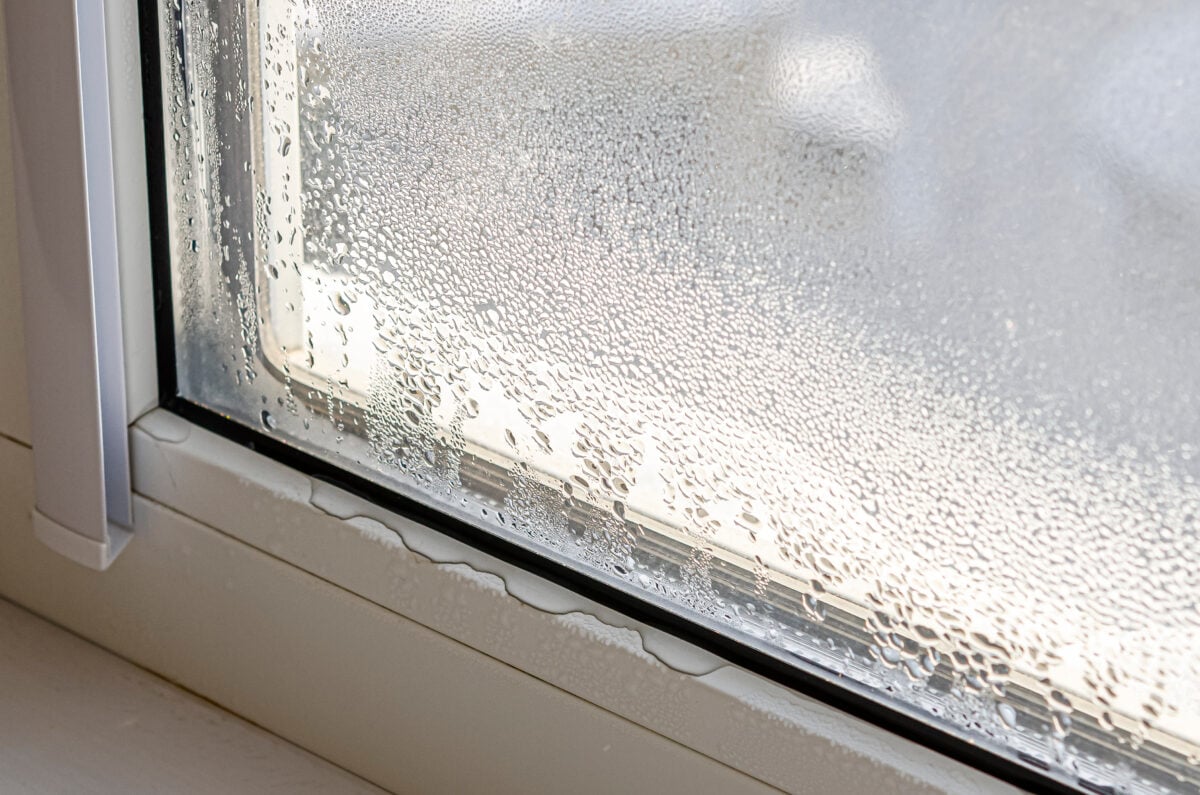
Condensation forming on the interior surface of a window, not between the panes, is a humidity problem rather than a window problem. It happens when warm, moist indoor air contacts a cold glass surface and the moisture drops out of the air. It is most common in the bathroom, kitchens, and bedrooms during cold weather, and on older single-pane windows that have no thermal barrier.
- What it means: Interior condensation is a sign that indoor humidity is high relative to the outdoor temperature and the thermal performance of the glass.
- How to reduce it: Running exhaust fans in kitchens and bathrooms, using a dehumidifier in winter months, and ensuring proper ventilation throughout the home all reduce interior condensation.
- The window’s role: Single-pane windows are far more prone to interior condensation because the glass surface temperature drops close to the outdoor temperature. Upgrading to double-pane windows with low-E coatings and insulating gas improves insulation, raises the interior glass surface temperature, and dramatically reduces condensation; argon gas windows are one energy-efficient option that can also support your home’s energy efficiency.
- When it becomes a problem: Persistent condensation that pools on the sill or runs down the wall can cause paint failure, wood rot, and mold growth over time even if the window itself is functioning correctly.
7. Broken, Stiff, or Non-Functional Hardware
Window hardware includes the locks, latches, handles, cranks, and hinges that allow the window to operate and secure correctly. Hardware fails through normal wear, corrosion from humidity, and physical damage. In most cases, hardware can be replaced without touching the window unit itself, which makes it one of the more straightforward window repairs to handle.
- Broken or loose locks: Window locks are typically held by two screws. A loose lock just needs the screws tightened or replaced with slightly longer ones if the existing holes have stripped. A broken lock needs the full hardware replaced, which is usually a simple swap.
- Stiff or seized casement cranks: Casement and awning windows use a gear operator to open and close the sash. Lubricating the gear assembly with a light machine oil often restores smooth operation. If the gears are stripped, the operator needs to be replaced.
- Worn or broken hinges: Casement window hinges bear the weight of the sash every time the window opens. Worn hinges cause the sash to sag, which can prevent it from closing and locking fully. Hinge replacement requires removing the sash from the frame.
- Sourcing replacement parts: Most major window manufacturers sell replacement hardware through their websites or through window supply dealers. Matching the brand and series matters because hardware is rarely interchangeable between manufacturers.
8. Rotting or Deteriorating Window Frame
A rotting window frame is the most serious problem on this list because it affects the structural integrity of the window opening itself. Wood frames are vulnerable to rot when moisture gets into the wood and stays there, which happens when paint or caulk fails and isn’t repaired promptly. Once rot takes hold, it spreads, and a frame that looks cosmetically damaged on the surface is often far worse behind it.
- How to assess the extent: Probe the frame with a screwdriver or awl. Sound wood resists penetration. Rotted wood gives way easily. If the rot is limited to a small section of the frame, it may be repairable with epoxy wood filler.
- Epoxy consolidant repair: For early-stage rot where the wood is still structurally sound but has degraded, a two-part epoxy consolidant soaks into the wood, hardens, and restores its structural integrity. The area is then filled with epoxy filler and painted.
- When replacement is necessary: If the rot has spread through a significant section of the frame, into the rough framing behind the window, or has caused the frame to go out of square, the window needs to be replaced entirely. Trying to repair a severely rotted frame leads to recurring problems.
- Prevention going forward: Keeping exterior caulk intact, maintaining painted surfaces on wood frames, and ensuring good drainage at the sill all prevent moisture from reaching the wood in the first place.
Repair vs. Window Glass Replacement Services: How Do You Know Which One Is Right?
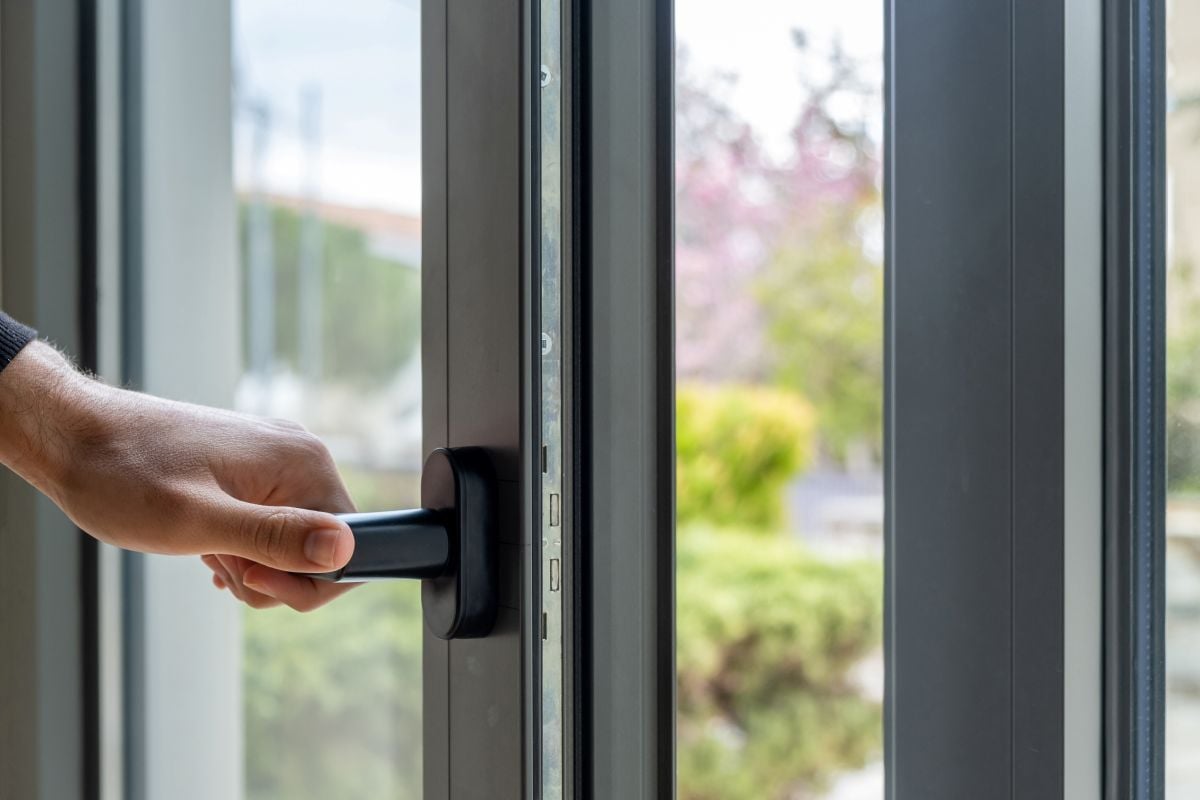
The decision between repairing a window problem and replacing the window comes down to three factors: the age of the window, the extent of the damage, and the cost comparison between repair and a new unit. Repairs make sense when the window is relatively young, the frame is in good condition, and the issue is limited to a single component. If the existing home window is still performing well overall, repair is often the better value. Replacement makes more sense when multiple problems exist at once, when the frame has structural damage, or when the window is old enough that its overall performance is below modern standards regardless of the specific issue being addressed, which is when full replacement services are often the smarter option.
A useful rule of thumb is that if a window needs more than one home window repair in a short period of time, the cost of those repairs begins to approach or exceed the value of a replacement that would solve all the problems at once and deliver better performance for the next 20 to 30 years.
Frequently Asked Questions
How do I know if a window problem needs a professional or if I can fix it myself?
Hardware repairs, weatherstripping replacement, and recaulking are all reasonable DIY tasks for most homeowners, but home window glass repair is usually best left to a pro. Anything involving glass replacement, frame rot, water damage behind the siding, or a window that is out of square should be handled by a professional for proper assessment and professional installation, since these issues often require specialized expertise. Improper repairs in those situations can make the underlying problem worse.
Can a fogged double-pane window be repaired without replacing it?
A fogged IGU can sometimes be temporarily improved through a defog service that drills small holes and inserts a desiccant, but this does not restore the original insulating performance of the sealed unit. Most professionals recommend replacing the IGU or the full window for a lasting fix.
How long do window repairs typically last?
A quality weatherstripping replacement can last five to ten years. Exterior caulk lasts five to seven years before it needs to be refreshed. Hardware replacements last as long as the replacement part holds up, which varies by product quality. Epoxy frame repairs done correctly can last many years, but the underlying cause of moisture exposure needs to be corrected to prevent recurrence.
How much does it cost to repair a window versus replace it?
Minor repairs like weatherstripping or caulk typically cost under $100 in materials for a DIY fix. Hardware replacement parts range from $20 to $150 depending on the window type. Professional IGU replacement typically runs $150 to $400 per unit. A full window replacement ranges from $300 to $2,100 per window depending on size and materials.
Is it worth repairing windows in an older home?
It depends on the overall condition of the windows and the scope of the repairs needed. If the frames are sound and the windows are well-built wood or quality vinyl, targeted residential glass repair can extend their life significantly, and professional residential glass options may still make sense for older windows. If the windows are single-pane, have multiple failing components, or are more than 25 years old, replacement with modern energy-efficient windows is often the better value when the overall frame and home glass condition are both declining.
Can drafty windows cause mold problems?
Yes. When warm, humid interior air leaks out through gaps around a window and contacts cold surfaces inside the wall assembly, it can condense and create the moisture conditions mold needs to grow. Sealing drafts promptly is as much about protecting the structure of the home as it is about comfort and energy efficiency.
Stormgrade Handles Window Repairs and Replacements the Right Way
Whether you are dealing with a single fogged pane, a window that won’t close properly, or frames that have seen better days, Stormgrade is a family-owned, BBB Accredited contractor serving homeowners throughout North Carolina and South Carolina, including Columbia and surrounding areas. Our team can assess any window problem honestly, recommend the right fix rather than the most expensive one, and handle the repair or replacement with the quality and care your home deserves.
We offer free inspections and can typically get on-site within 24 hours. Flexible financing is available for larger replacements so you do not have to put off a fix that your home needs. As an authorized Vytex window installer with product and workmanship warranties available, Stormgrade stands behind every job we complete.
Reach out today to schedule your free window inspection and get a clear, no-pressure recommendation for your home. The proof is in the roof, and it’s in every window we install.