
Storm Damage
Signs of Roof Damage: 5 Warning Signals To Look For After a Storm
Recognizing the signs of roof damage after a storm is one of the most valuable things a homeowner can do, because storm damage is not always obvious and the problems it causes tend to get worse and more expensive the longer they go unaddressed. High winds, hail, and heavy rain can compromise your roof in ways that are easy to miss from the ground, and by the time water is dripping through your ceiling, the damage inside your walls may already be significant. This guide walks you through the five warning signals to watch for and what to do when you spot them.
Here is what this guide covers:
- What to look for: The five most important warning signs of storm damage, from the obvious to the easily overlooked.
- How to check safely: How to inspect for damage from the ground without putting yourself at risk.
- What to do next: The steps to take when you find damage to protect your home and your insurance claim.
Why Storm Damage Is Easy to Miss
Storm damage to a roof is often subtle, and that is exactly what makes it dangerous. While a tree through the roof is impossible to ignore, most storm damage is far less dramatic. A few lifted shingles, some granules washed into the gutter, or a small area of bruised shingles can look minor or go completely unnoticed from ground level. Yet each of these creates an opening for water to reach the vulnerable layers beneath your shingles.
Once water gets past the roofing surface, it works its way into the underlayment, the decking, the insulation, and eventually the interior of your home. What began as a handful of damaged shingles can turn into rotted decking, mold growth, and interior water damage over the following weeks and months. This is why prompt inspection after a storm matters so much, and why knowing the warning signs below can save you a significant amount of money and trouble. The five signals that follow are the most reliable indicators that your roof took a hit.
5 Warning Signs of Roof Damage After a Storm
The signs below range from clearly visible to easy to overlook, and checking for all of them gives you the most complete picture of your roof’s condition after severe weather. You can spot most of these from the ground or from inside your home, without ever climbing onto the roof. In Sumter and surrounding areas, where storm season regularly brings high winds and hail, running through this checklist after every major storm is a smart habit. Here is exactly what to look for.
1. Missing, Cracked, or Curling Shingles
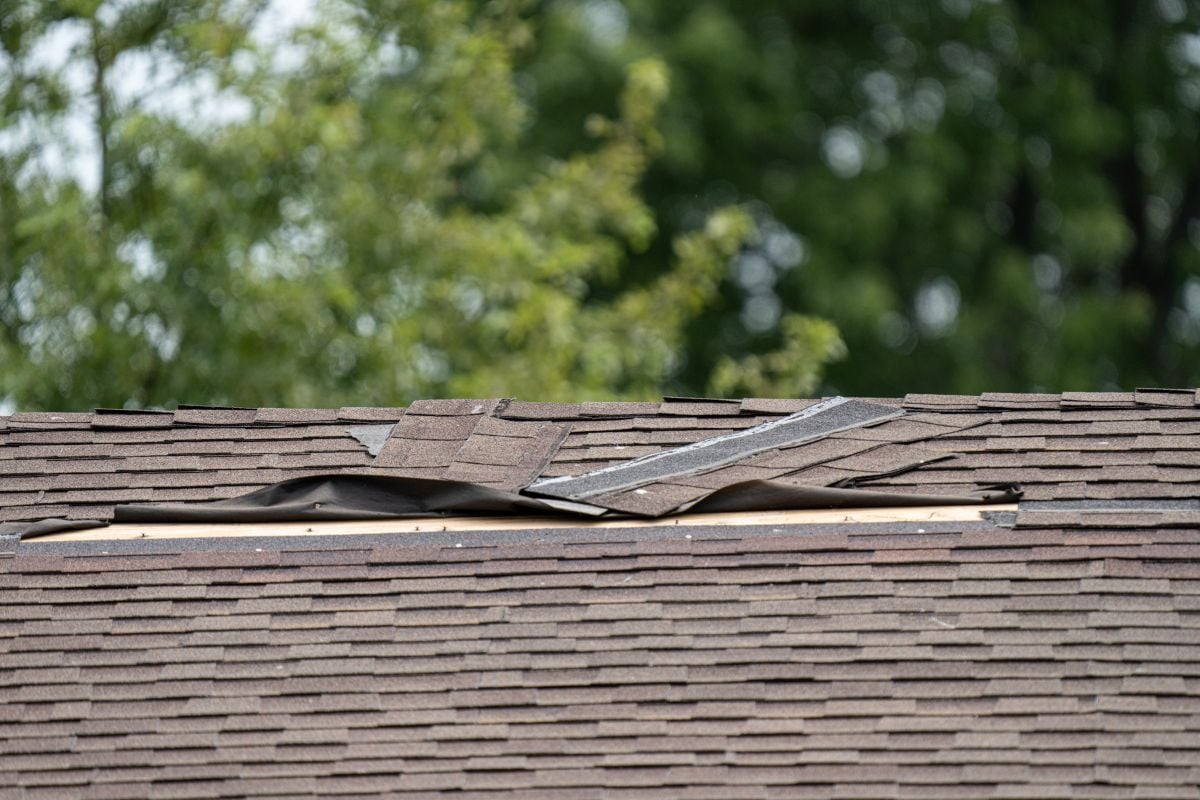
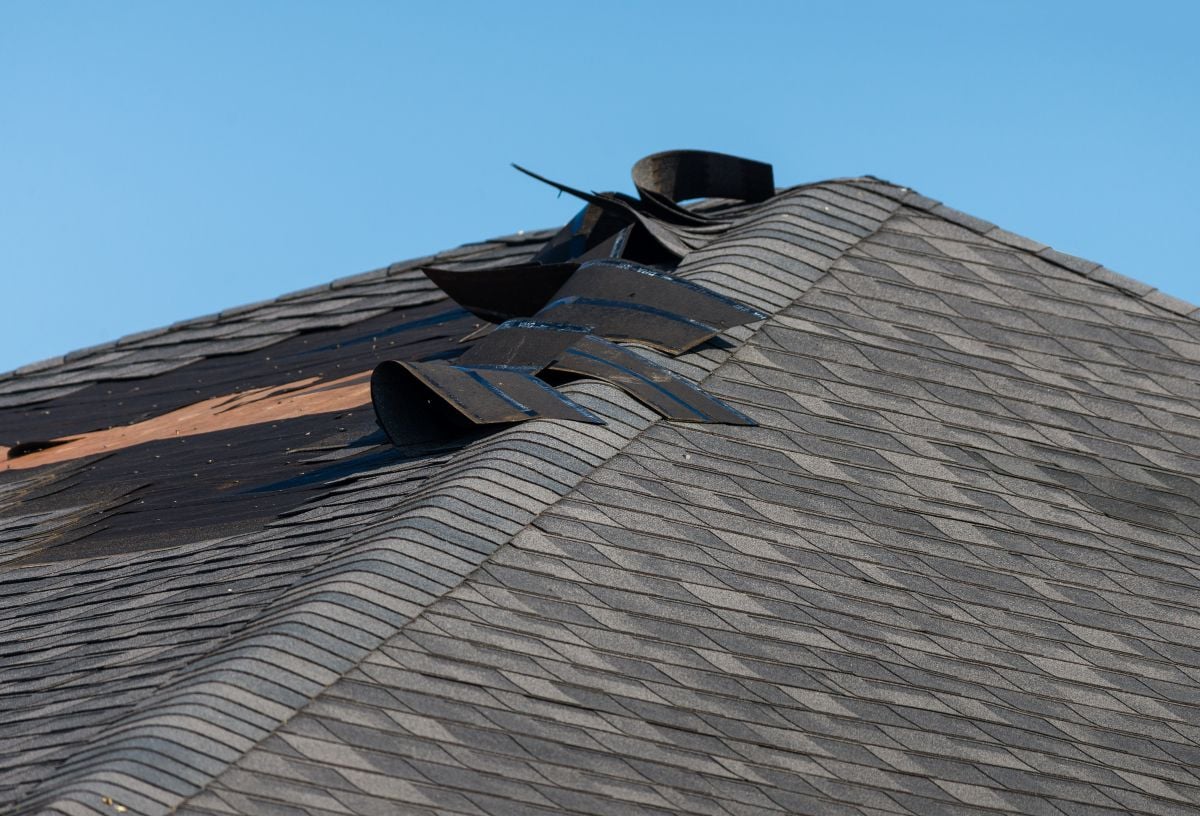
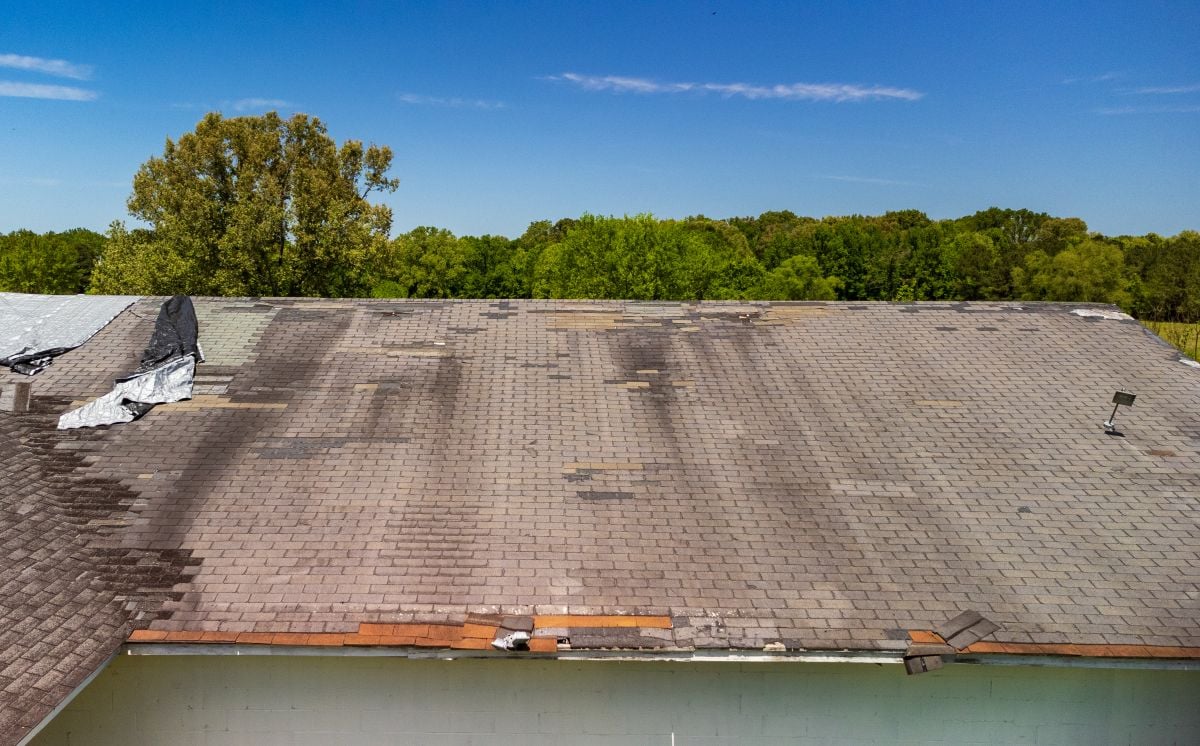
Damaged shingles are the most common and most visible sign of storm damage. High winds can lift, loosen, or tear shingles completely off the roof, while hail and flying debris can crack or dent them on impact. Sometimes shingles curl or buckle after being damaged. Look across the entire roof surface for bare spots where shingles are missing, and check your yard and around the perimeter of your home for shingles or shingle fragments that blew off during the storm. Any exposed area leaves the material beneath at risk.
- Missing shingles: Bare spots on the roof, especially along seams and joints, are a clear sign wind lifted shingles away. Check your yard for blown-off pieces.
- Cracked or dented shingles: Hail and debris impact can crack shingles or knock granules loose, leaving the shingle weakened and less able to shed water.
- Curling or buckling: Shingles that have lifted, curled at the edges, or buckled are compromised and no longer sealing properly against water.
- Why it matters: Every damaged shingle exposes the underlayment and decking beneath to water, which is where deeper, costlier damage begins.
2. Granules Collecting in Gutters and Downspouts
One of the most overlooked signs of storm damage is granule loss, which is easy to spot if you know where to look. Asphalt shingles are coated with fine mineral granules that protect the shingle from UV rays and weather. When hail strikes or shingles are otherwise damaged, these granules break loose and wash into your gutters and downspouts. A few granules after a storm is normal, but large accumulations that look like coarse dark sand are a strong indicator that your shingles took significant impact and are losing their protective layer.
- Where to check: Look in your gutters and at the base of your downspouts for piles of granules that resemble coarse, dark sand.
- What it means: Heavy granule loss indicates the shingles have been bruised or impacted and are losing the protective coating that extends their life.
- Normal vs. concerning: A small amount of granule loss is routine, but large accumulations after a single storm point to real damage.
- Hidden impact clue: Granule loss is often the most visible evidence of hail damage, which can otherwise be very hard to see from the ground.
3. Interior Water Stains and Attic Moisture
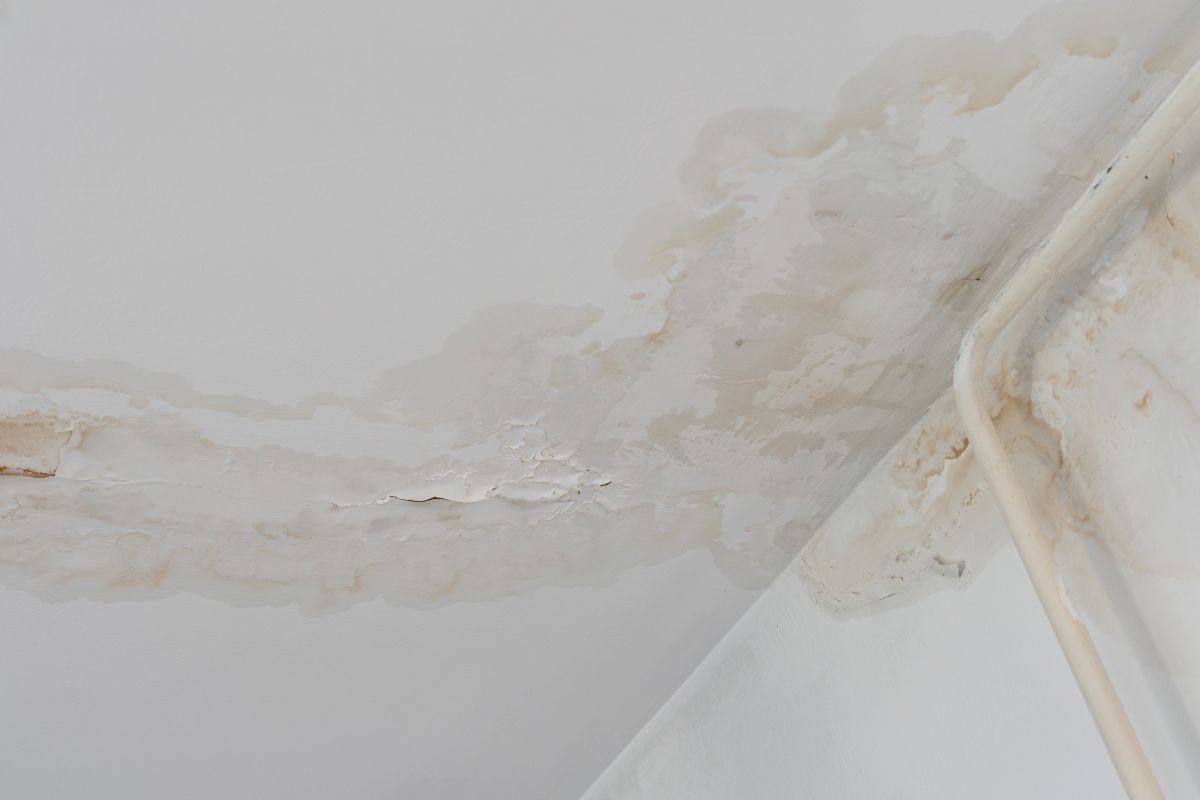
Some of the clearest signs of roof damage appear inside your home rather than on the roof itself. After a storm, head into your attic with a flashlight and look for signs of water intrusion, including damp insulation, water stains on the underside of the decking, or visible daylight coming through the roof. Inside the living space, watch for water stains on ceilings and walls, bubbling or discolored paint, and any musty smell that could indicate moisture. These interior signals mean water has already found a way past your roofing surface.
According to GAF, the largest roofing manufacturer in North America, excessive moisture inside the home after a storm is a clear indication of storm damage, as wind-driven rain can quickly enter through even small openings in the roof.
- In the attic: Use a flashlight to look for damp insulation, dark water stains on the wood, or daylight showing through the roof deck.
- On ceilings and walls: Water stains, discoloration, bubbling paint, or peeling are all signs water has entered from above.
- Musty odors: A persistent damp or musty smell, especially in upper floors or the attic, can indicate hidden moisture and developing mold.
- Act quickly: Interior water signs mean the damage has already progressed past the surface, so prompt professional inspection is important.
4. Damaged or Missing Flashing
Flashing is the metal material that seals the joints and transitions on your roof, around chimneys, skylights, vents, and in the valleys where roof planes meet. Because these are among the most leak-prone areas of any roof, damaged flashing is a serious warning sign after a storm. High winds can loosen, bend, or tear flashing away, and once it fails, water has a direct path into the roof structure. Check around every roof penetration and along the valleys for flashing that appears bent, cracked, lifted, or missing entirely.
- Where to look: Inspect around chimneys, skylights, vents, and in the valleys where two roof slopes meet, since these are where flashing is installed.
- What damage looks like: Flashing that is bent, buckled, cracked, lifted at the edges, or missing has lost its seal and can let water in.
- Why it is critical: Flashing failures are one of the leading causes of roof leaks because they occur at the most vulnerable points on the roof.
- Hard to self-assess: Flashing damage can be subtle and is often best evaluated by a professional who knows what a compromised seal looks like.
5. Sagging Areas or Structural Warping
A sagging or warped section of roof is the most serious warning sign on this list because it points to structural damage or trapped moisture beneath the surface. If any part of your roof appears to dip, sag, or look uneven after a storm, it may indicate that water has saturated the decking or that the underlying structure has been compromised by impact or accumulated moisture. This is not a wait-and-see situation. Sagging can progress to more serious structural failure and should be evaluated by a professional as soon as it is safe to do so.
- What to look for: Any area of the roof that appears to dip, sag, or look uneven compared to the rest of the surface.
- What it indicates: Sagging often means water has saturated and weakened the decking, or that the roof structure itself has been damaged.
- Warped or sunken spots: Localized warping or sunken areas suggest trapped moisture beneath the roofing material, a sign of significant damage.
- Urgency: Structural signs warrant immediate professional attention, as they can lead to more serious and dangerous failures if ignored.
How Should You Inspect Your Roof Safely After a Storm?
The most important rule of post-storm roof inspection is to keep yourself safe. You should never climb onto a storm-damaged roof, as wet, damaged surfaces are extremely dangerous and any roof-level inspection should be left to a trained professional with proper equipment. Fortunately, most of the warning signs above can be checked from the ground or from inside your home.
Start by walking the perimeter of your home and looking up at the roof, using binoculars if you have them, to check for missing shingles, damaged flashing, and sagging areas. Check your gutters and downspouts for granule accumulation. Walk your yard to look for blown-off shingles or debris. Then head inside and inspect your attic and ceilings for any signs of water intrusion. Document everything you find with photos, including the date, since this documentation is valuable if you need to file an insurance claim. Once you have a picture of the potential damage, the next step is to have a professional roofing contractor conduct a thorough inspection to assess the full extent, including the damage you cannot safely see yourself.
Frequently Asked Questions
How soon after a storm should I check for roof damage?
Inspect your roof as soon as it is safe to do so after the storm passes, ideally within a day or two. The sooner you identify damage, the sooner you can prevent water intrusion from causing further harm, and prompt reporting also strengthens any insurance claim, since some policies have filing deadlines.
Can I have roof damage even if I do not see a leak?
Yes. Many forms of storm damage, such as lifted shingles, granule loss, and damaged flashing, do not cause immediate leaks but leave your roof vulnerable. Water intrusion often develops gradually and may not appear inside your home until weeks later, by which point hidden damage may have spread.
Should I get on my roof to inspect it myself?
No. Climbing onto a storm-damaged roof is dangerous, especially when surfaces are wet or the structure may be compromised. Inspect what you can from the ground and from inside your attic, and leave any roof-level inspection to a professional contractor with the proper safety equipment and experience.
Does homeowners insurance cover storm damage to my roof?
In most cases, yes. Sudden storm damage from wind, hail, or fallen trees is typically a covered peril under standard homeowners policies. Damage from age or lack of maintenance is generally not covered. Documenting the damage with dated photos and getting a professional inspection supports your claim.
How can I tell the difference between new storm damage and old wear?
New storm damage typically has sharp, clean edges and fresh-looking exposed material, while older damage tends to appear weathered with rounded edges and discoloration. Newly exposed underlayment or wood often looks brighter than surrounding areas. A professional inspector can reliably distinguish recent storm damage from pre-existing wear.
What should I do first if I find storm damage?
If there is an active leak, place buckets to catch water and move valuables away from the affected area. Document all damage with photos, then contact a reputable local roofing contractor for a professional inspection. Avoid making permanent repairs until the damage has been documented for your insurance claim.
Stormgrade Is Your Storm Damage Specialist Across the Carolinas
Spotting the warning signs of roof damage is the first step, but a professional inspection is what confirms the full extent and gets your home back to safe and secure. Stormgrade is a family-owned, GAF Master Elite, BBB Accredited roofing contractor and storm damage specialist serving homeowners throughout North Carolina and South Carolina, including Sumter and surrounding areas. We know exactly what storm damage looks like, including the hidden damage that is easy to miss, and we handle the entire process from inspection through insurance claim to completed repair.
We offer free inspections and can typically be on-site within 24 hours, which matters most in the critical window after a storm. Our team documents the damage thoroughly, works directly with your insurance adjuster, and completes quality repairs backed by real warranties. Financing is available, warranties are available on both materials and workmanship, and our maintenance program helps keep your roof storm-ready all year long.
If a storm has passed through your area, reach out to Stormgrade today to schedule your free roof inspection. The proof is in the roof.