Warranties
Storm Damage Roof Repair: 4 Things to Do Immediately After Severe Weather
Storm damage roof repair is something no homeowner wants to think about, but knowing exactly what to do in the hours and days after severe weather can protect your home, strengthen your insurance claim, and save you thousands of dollars. When high winds, hail, or falling trees hit your roof, the clock starts ticking. Water that gets past your shingles can spread into insulation, drywall, and electrical systems quickly, and the steps you take right away make a real difference in how well things turn out.
Here is what this guide covers:
- What to do first: The immediate actions that protect your safety and your home before anything else.
- How to protect your claim: The documentation and steps that make the difference between a covered repair and an out-of-pocket expense.
- Who to call and when: How to choose the right contractor and avoid the storm chasers who follow severe weather into town.
Why the First 24 Hours After a Storm Matter Most
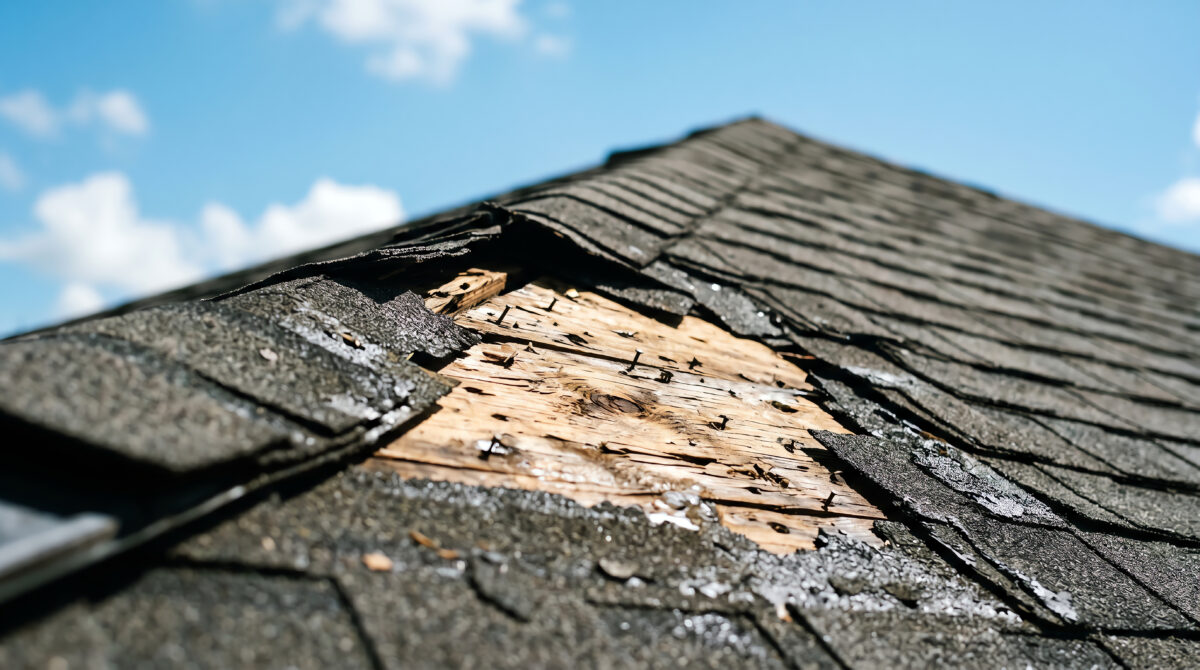
The actions you take immediately after a storm have an outsized effect on both the cost of repairs and the success of any insurance claim. Once a roof is compromised, water intrusion becomes the primary threat. Rain that gets past damaged shingles can reach the roof deck, seep into insulation, and spread into ceilings and walls within hours, turning a contained roofing problem into an interior water damage situation that costs far more to fix.
Insurance timing matters just as much. Most policies require prompt reporting of storm damage, and some insurers give homeowners as little as 90 days to file a wind claim. Delaying documentation or repairs can give an insurer grounds to argue that the damage was worsened by neglect, which can reduce or deny a payout. Acting quickly, safely, and with proper documentation is the foundation of a smooth storm damage repair process.
4 Things to Do Immediately After Severe Weather
The steps below are ordered intentionally. Safety comes first, then documentation, then protecting the home from further damage, then bringing in the right professionals. Following them in this order protects your family, your home, and your financial interests all at once. In Summerville and surrounding areas, where Lowcountry storm season brings frequent severe weather, having this sequence ready before a storm hits puts you in a far stronger position when one does.
1. Check for Safety Before Anything Else
Your safety and your family’s safety come before any concern about the roof itself. After severe weather passes, do not rush outside or climb onto anything until you have confirmed the immediate area is safe. Downed power lines, gas leaks, structural instability, and standing water hiding hazards are all real dangers in the aftermath of a storm. A damaged roof can be repaired. The priority in the first moments after a storm is making sure everyone is safe.
- Check for downed power lines: Never approach or touch a downed line, and keep everyone well away from any line that may be energized. Report downed lines to your utility company immediately.
- Watch for gas leaks: If you smell gas or hear a hissing sound, leave the home immediately and call your gas company from a safe distance. Do not operate any electrical switches.
- Assess structural stability from a distance: Look for sagging rooflines, a leaning chimney, or a collapsed section before entering or approaching the home. If anything looks structurally compromised, stay out and call a professional.
- Stay off the roof: Do not climb onto a storm-damaged roof. Wet, damaged surfaces are extremely dangerous, and any inspection that requires roof access should be done by a professional with proper equipment.
2. Document Everything Thoroughly
Once you have confirmed it is safe, documentation becomes your most important task. Insurance claims live and die on documentation, and the more thorough your record of the damage, the stronger your claim will be. Take extensive photos and video of all visible damage from the ground, including the roof, gutters, siding, windows, and any interior water damage. Timestamped photos that clearly show the damage caused by the storm are the single most valuable thing you can provide to your insurer.
- Photograph all visible damage: Capture wide shots and close-ups of missing shingles, dented gutters, fallen branches, and any debris. Photograph from multiple angles so the full extent is clear.
- Document interior damage: If water has come inside, photograph water stains on ceilings and walls, damaged belongings, and any pooling water. This supports both the roof claim and any contents coverage.
- Note the date and time: Record when the storm occurred and when you discovered the damage. Timestamped photos help establish that the damage was sudden and storm-related rather than gradual wear.
- Keep all receipts: From this point forward, save every receipt related to the storm, including tarps, temporary repairs, and any emergency lodging. Emergency mitigation costs are typically reimbursable under your policy.
3. Prevent Further Damage With Temporary Measures
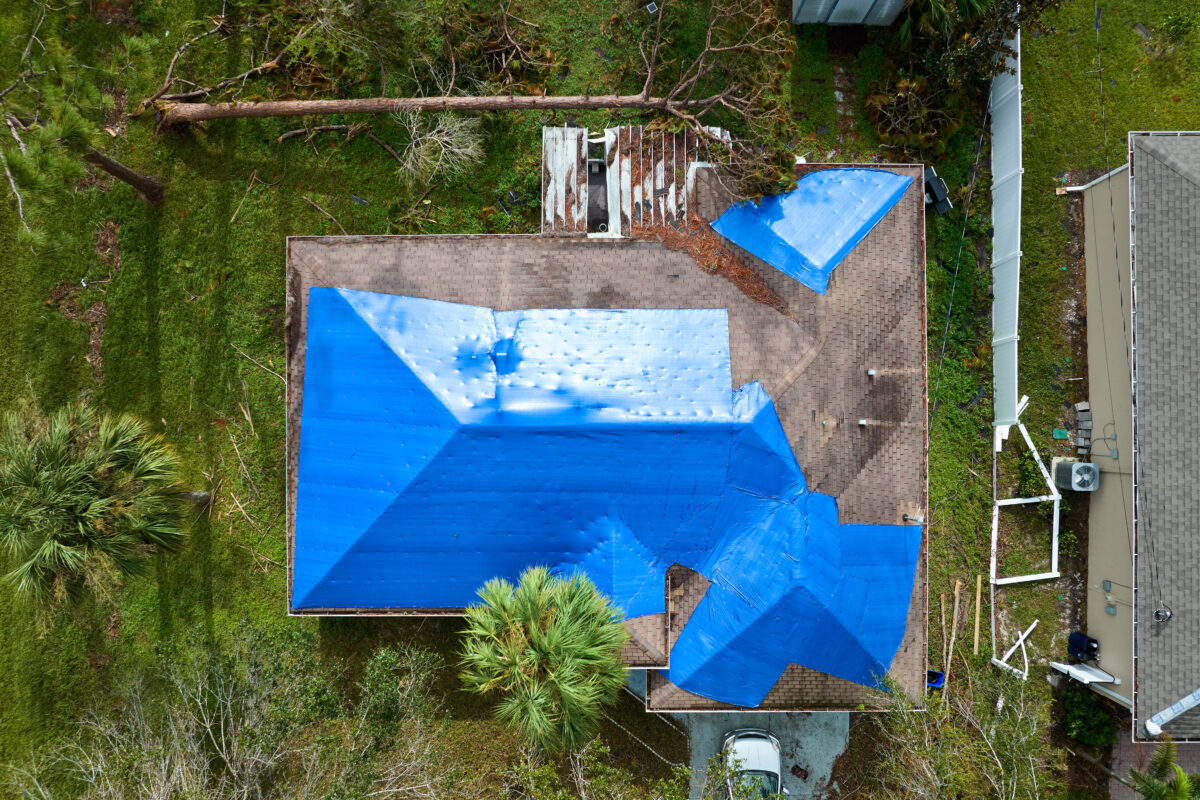
Insurance policies expect homeowners to take reasonable steps to prevent further damage after a storm, and doing so protects both your home and your claim. This usually means covering exposed areas of the roof with a tarp and moving belongings out of the path of any active leaks. The key word is temporary. Do not begin permanent repairs before your insurance adjuster has documented the damage, because doing so can complicate or jeopardize your claim. Temporary mitigation is expected and reimbursable. Permanent repairs before the adjuster’s visit are a mistake.
- Arrange emergency tarping: A professional can install an emergency tarp over exposed roof areas to keep water out until permanent repairs are made. This is one of the most important steps to prevent interior damage.
- Move and protect belongings: Relocate furniture, electronics, and valuables away from active leaks. Place buckets under drips and lay down towels or plastic to protect flooring.
- Do not make permanent repairs yet: Wait until the adjuster has assessed and documented the damage before any permanent work begins. Photograph any temporary measures you take so the pre-repair condition is on record.
- Keep mitigation receipts: Save receipts for tarps, buckets, and any professional emergency services. These emergency costs are typically covered by your policy and reimbursable as part of the claim.
4. Contact Your Insurer and a Trusted Local Contractor
With safety confirmed, damage documented, and temporary protection in place, it is time to bring in the professionals. Contact your insurance company to report the claim promptly, ideally within 24 hours of discovering the damage. Then contact a reputable, local, licensed roofing contractor to conduct a thorough inspection. A good contractor will document the damage in detail and can work directly with your adjuster, which often makes the entire claim process smoother and more successful.
According to the Insurance Information Institute, wind and hail are the most common cause of homeowners insurance claims in the United States, accounting for a substantial share of all claims filed each year, with the average wind and hail claim reaching several thousand dollars.
- Report the claim promptly: Contact your insurer as soon as it is safe to do so. Ask about your deductible, whether you have a separate wind or hail deductible, and the deadline for filing.
- You choose the contractor: Your insurance company cannot force you to use their preferred contractor. The choice of who repairs your roof is yours, and choosing a quality local contractor protects the outcome.
- Avoid storm chasers: After major storms, out-of-state contractors flood affected areas, take large deposits, and disappear when problems arise. Choose a contractor with a physical local presence who will stand behind the work.
- Verify credentials: Confirm the contractor is licensed, insured, and has verifiable local reviews. A GAF Master Elite Contractor like Stormgrade has met rigorous standards for licensing, insurance, and reputation.
What Kind of Storm Damage Does Insurance Cover?
Understanding what your policy covers helps you set expectations before the adjuster arrives. Most standard homeowners policies cover sudden, accidental storm damage while excluding gradual wear and tear.
Covered perils typically include wind damage such as missing, cracked, or lifted shingles, hail damage including granule loss and bruising, damage from falling trees and branches, and lightning strikes. What is generally not covered includes damage from normal aging, poor maintenance, pre-existing conditions, and flooding, which requires separate flood insurance. This distinction is why documentation matters so much. Clearly establishing that the damage was sudden and storm-related, rather than the result of an aging roof, is often the deciding factor in whether a claim is approved. A knowledgeable contractor can help present the damage accurately to support your claim.
Frequently Asked Questions
How soon do I need to file a storm damage roof claim?
Report the damage to your insurer as soon as it is safe to do so, ideally within 24 hours. Many policies have filing deadlines, and some give homeowners as little as 90 days to submit a wind claim. Filing promptly strengthens your claim and reduces the risk of denial based on delayed reporting.
Can I get on my roof to check for damage after a storm?
It is strongly recommended that you do not. Storm-damaged roofs are unstable and wet surfaces are dangerous. Inspect what you can from the ground and leave any roof-level inspection to a professional contractor who has the proper safety equipment and experience.
Does insurance cover emergency tarping and temporary repairs?
Yes, in most cases. Emergency mitigation measures like tarping are typically reimbursable because insurers expect homeowners to prevent further damage after a storm. Keep all receipts and photograph the temporary measures you take so they can be documented as part of your claim.
How much does storm damage roof repair cost?
Costs vary widely depending on the extent of the damage. Minor repairs may run several hundred dollars, while significant damage requiring partial or full replacement can reach $11,000 or more. If the damage is covered by insurance, your out-of-pocket cost is typically limited to your deductible. Stormgrade provides free inspections and detailed estimates.
What if my insurance claim is denied?
A denied claim is not necessarily the end of the process. You can request a detailed explanation, provide additional documentation, and ask for a re-inspection. An experienced storm damage contractor can help identify covered damage that may have been missed and can support you through the appeal process.
Should I wait for the insurance adjuster before calling a roofer?
You can and should call a trusted contractor early for an inspection and emergency tarping, but hold off on permanent repairs until the adjuster has documented the damage. Many homeowners have their contractor present during the adjuster’s visit so covered damage is thoroughly documented from the start.
Stormgrade Is Your Storm Damage Specialist in the Carolinas
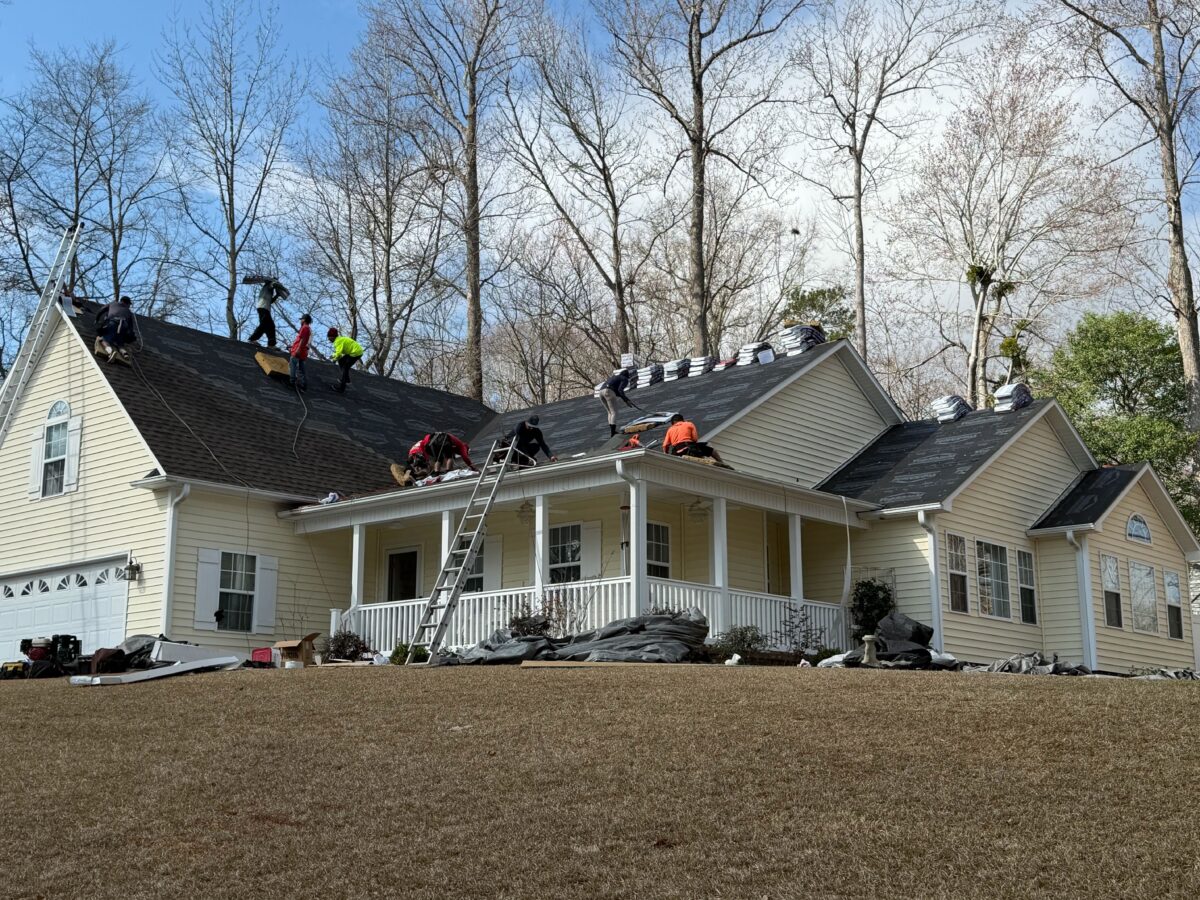
When severe weather damages your roof, you need a contractor who knows exactly how to handle both the repair and the insurance claim. Stormgrade is a family-owned, GAF Master Elite, BBB Accredited roofing contractor and storm damage specialist serving homeowners throughout North Carolina and South Carolina, including Summerville and surrounding areas. We handle the entire process, from emergency tarping and thorough damage documentation to working directly with your insurance adjuster and completing quality repairs backed by real warranties.
We offer free inspections and can typically be on-site within 24 hours, which matters most when a storm has left your home exposed. Our team will document the damage properly, help you navigate your claim, and make sure the repair is done right. Financing is available, warranties are available on both materials and workmanship, and our maintenance program helps keep your roof storm-ready year-round.
If severe weather has hit your home, reach out to Stormgrade today to schedule your free storm damage inspection.