Warranties
Synthetic Roofing Underlayment: 5 Reasons Modern Roof Systems Use Advanced Protection
Synthetic roofing underlayment is the layer installed directly on your roof deck, beneath your shingles or other roofing material, and it plays a bigger role in the long-term performance of your roof than most homeowners ever realize. Most people think about shingles when they think about roofing. But the underlayment beneath those shingles is what stands between the roof deck and water damage if a shingle ever cracks, lifts, or blows off. Choosing a modern synthetic system over traditional felt is one of the most meaningful upgrades a roof can have, and it is now the industry standard for a reason.
Here is what this guide covers:
- What synthetic underlayment actually is: A clear explanation of the material, how it works, and how it differs from traditional felt.
- 5 reasons it outperforms older systems: A detailed breakdown of the performance advantages that make synthetic the default choice for quality roof installations today.
- What it means for your home: How underlayment choice affects your roof’s lifespan, your warranty coverage, and what you can expect from a professional installation.
What Is Synthetic Roofing Underlayment?
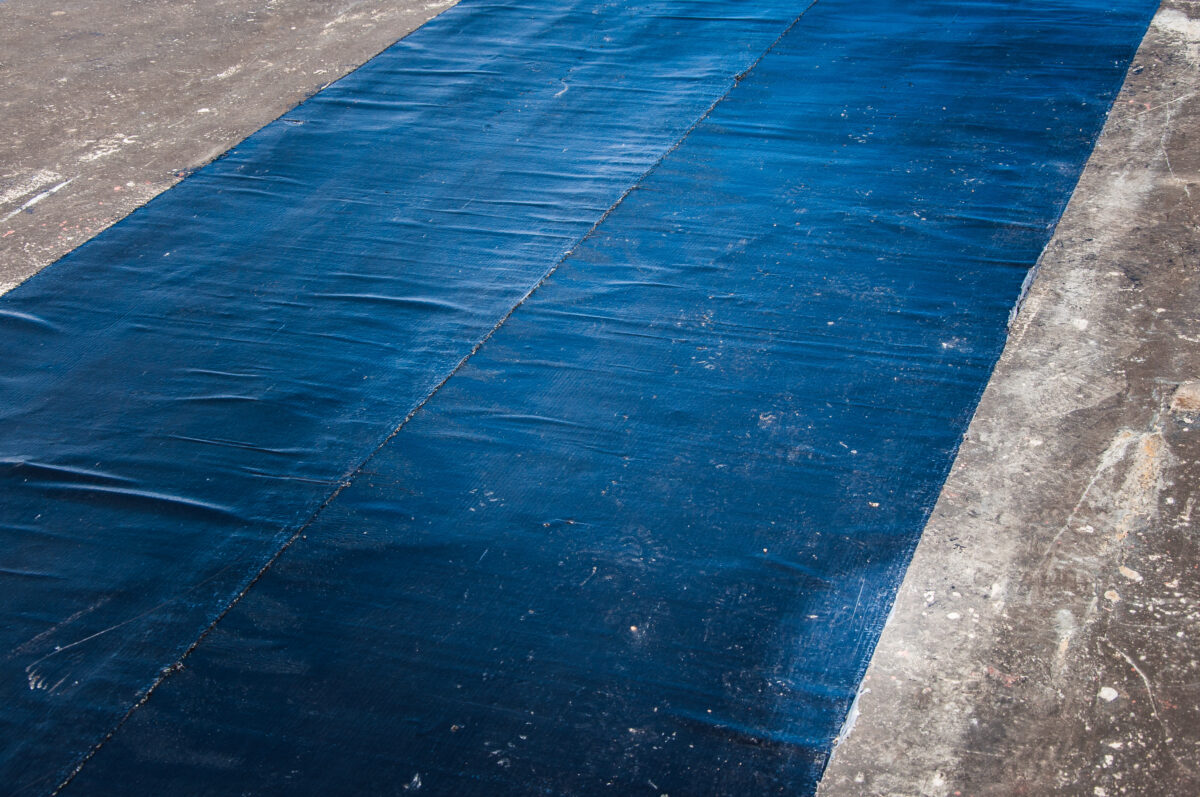
Synthetic roofing underlayment is a protective barrier made from engineered polymer materials, typically polypropylene or polyethylene, that is installed over the roof deck before shingles, metal panels, or tile are applied. It functions as a secondary line of defense against water infiltration, protecting the roof deck during installation and providing a backup layer of protection throughout the life of the roof if the primary roofing material is ever compromised.
Traditional felt underlayment, also called tar paper, has been used in roofing for decades and is made from a base of cellulose or fiberglass saturated with asphalt. It works adequately in mild conditions but has well-documented limitations in heat, moisture, and high-wind environments. Synthetic underlayments were developed to address those limitations, and the performance gap between the two materials is significant enough that synthetic has become the standard specification for quality roof installations across the industry.
5 Reasons Modern Roof Systems Use Synthetic Underlayment
The shift toward synthetic underlayment is not a trend or a marketing choice. It reflects real, measurable performance differences that matter in the field, during installation and throughout the decades a roof is expected to last. In Rock Hill and surrounding areas, where summers bring intense heat and humidity and storm season can test any roof system, those performance differences have direct consequences for homeowners. Here is exactly what sets synthetic underlayment apart.
1. Superior Moisture Resistance
Synthetic underlayment does not absorb water. This is its most fundamental advantage over traditional felt, which is an asphalt-saturated paper product that can absorb moisture, wrinkle, and degrade when exposed to rain or high humidity during the installation window. A synthetic membrane sheds water immediately and maintains its integrity even after extended exposure to wet conditions.
- Non-absorbent material: Polypropylene and polyethylene do not absorb water, which means the underlayment stays flat, stable, and effective whether it rains during installation or years later if a shingle is damaged.
- Protection during installation delays: A roof being replaced is not always completed in a single day. Synthetic underlayment protects the exposed deck reliably through unexpected weather delays, whereas saturated felt can allow moisture to reach the decking.
- Reduced mold and rot risk: Because synthetic underlayment does not trap moisture against the roof deck, it significantly reduces the conditions that lead to mold growth and wood rot beneath the roofing system.
- Wrinkle resistance: Felt underlayment wrinkles when wet and can create uneven surfaces beneath shingles. Synthetic stays flat, which supports a more uniform shingle installation and a cleaner finished appearance.
2. Greater Tear Strength and Durability
Synthetic underlayment is substantially stronger than felt by virtually every measure of mechanical performance. It resists tearing during installation when workers are walking the roof and driving fasteners, and it continues to resist damage from wind and debris throughout the life of the roof. This durability matters in practical terms because underlayment that tears during installation or under load leaves gaps in the secondary moisture barrier.
- High tensile strength: Engineered polymer materials are significantly stronger than asphalt-saturated felt in tensile tests. Synthetic underlayments are rated to withstand far greater load before tearing, which directly affects how well the product performs during installation and under storm conditions.
- Fastener hold: Synthetic underlayment holds fasteners more securely than felt, which helps the material stay in place during high-wind events before or during shingle installation.
- Resistance to foot traffic: Roofers walk the surface during installation and during any future repair work. Synthetic underlayment handles foot traffic without tearing or puncturing, which felt underlayment is prone to do.
- Long-term performance: Synthetic materials do not break down the way organic felt does over time. A synthetic underlayment installed beneath a 30-year shingle system is designed to remain functional for the full life of that system.
3. Extended UV Exposure Resistance
One of the practical realities of roofing is that underlayment is sometimes left exposed to sunlight between the time the old roofing is removed and the time the new roofing is installed. This exposure window can last days or weeks depending on job size and weather. Traditional felt degrades quickly under direct UV exposure, becoming brittle and losing its protective properties. Synthetic underlayments are engineered to handle this exposure without failing.
- Rated UV exposure windows: Most quality synthetic underlayments are rated for three to six months of UV exposure before the shingles are laid. This gives installation crews and homeowners a meaningful safety margin if the project timeline is extended.
- Felt comparison: Felt underlayment exposed to direct sunlight for extended periods becomes brittle, cracks, and loses its moisture resistance. Once degraded, it cannot be restored, and the roof deck beneath is left vulnerable.
- Practical importance in the Carolinas: In Rock Hill and surrounding areas, summer UV intensity is high. A roof being replaced during peak summer months may see the underlayment exposed to direct sun for multiple days. A synthetic product handles that exposure without compromising performance.
- No degradation under heat: Synthetic underlayments maintain their physical properties across a wide temperature range. Traditional felt can soften in extreme heat, causing it to stick to itself and tear during installation.
4. Lighter Weight and Easier Installation
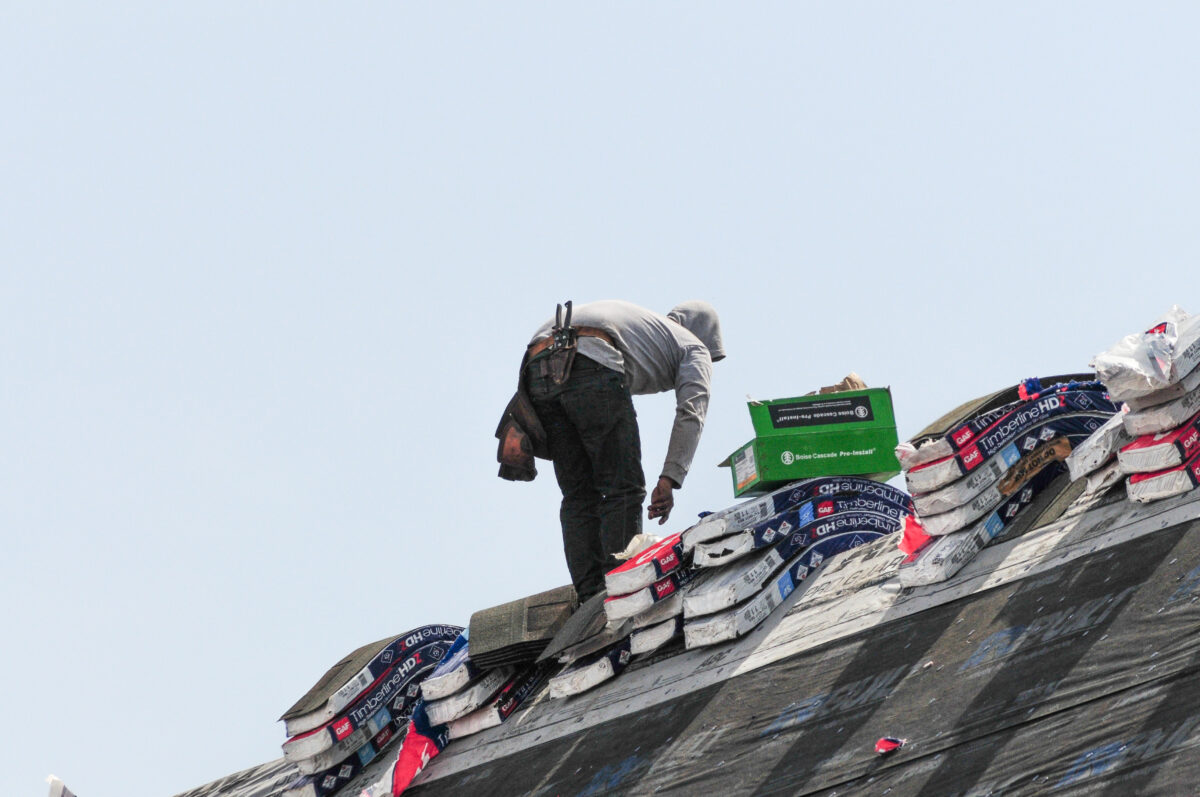
Synthetic underlayment is significantly lighter than felt of comparable coverage area. A roll of synthetic underlayment covering 1,000 square feet typically weighs less than 25 pounds, while a comparable coverage of 30-pound felt can weigh over 90 pounds. That weight difference translates to easier handling on the roof, less physical strain on the installation crew, and lower risk of installation errors caused by awkward material handling.
- Weight advantage: Synthetic underlayment typically weighs 70 to 80 percent less than felt for the same coverage area. This makes it dramatically easier to carry up ladders and maneuver on the roof deck.
- Larger roll coverage: Because synthetic material can be manufactured thin without sacrificing strength, rolls often cover more square footage per roll than felt. Fewer roll changes mean faster installation with fewer seams.
- Slip-resistant surface: Most synthetic underlayments have a textured surface specifically designed to reduce slip hazards for the installation crew. This is a meaningful safety improvement over the smooth, often slippery surface of felt.
- Faster installation: The combination of lighter weight, larger roll size, and easier handling translates directly to faster installation times, which reduces labor costs and the time the roof deck is left exposed.
5. Better Compatibility With Manufacturer Warranties
This is the reason that often matters most to homeowners who want long-term protection on their investment. Major roofing manufacturers, including GAF, increasingly specify synthetic underlayment as a requirement for their highest-tier warranty coverage. A roof installed with felt underlayment may qualify only for a limited warranty, while the same shingles installed over a qualifying synthetic underlayment can qualify for a system warranty covering both materials and workmanship for 25 years or more.
- System warranty requirements: GAF’s Golden Pledge and WeatherStopper System warranties, among the most comprehensive available in the residential roofing industry, require installation of qualifying synthetic underlayment products as part of the warranted system.
- What that means in dollars: A 25-year or 30-year system warranty is a financial asset. If materials fail within that period, the manufacturer covers the cost of replacement materials. That coverage has real monetary value that a basic material-only warranty does not provide.
- Contractor certification matters: Not every contractor can offer manufacturer system warranties. Stormgrade is a GAF Master Elite Contractor, a designation held by fewer than 2 percent of roofing contractors nationwide, which allows us to offer GAF’s highest-level warranty coverage to homeowners.
- Insurance claim relevance: When filing a storm damage claim, documentation that the roof was installed to manufacturer specifications, including underlayment requirements, supports the claim and reduces the likelihood of disputes over coverage.
Synthetic vs. Felt Underlayment: A Direct Comparison
The choice between synthetic and felt underlayment is straightforward when the two are compared directly across the factors that matter most for long-term roof performance.
Synthetic underlayment resists moisture, handles UV exposure for months without degrading, maintains its strength under foot traffic and fastener loads, and qualifies roofs for the highest manufacturer warranty tiers. It is lighter, faster to install, and longer-lasting. Felt underlayment is less expensive per roll, but it absorbs water, degrades under UV exposure, tears more easily during and after installation, and limits the warranty coverage available for the finished roof system.
The cost difference between felt and synthetic underlayment on a typical residential roof is relatively small compared to the total cost of the roofing job. The performance difference, particularly over a 25 to 30 year roof lifespan in a climate like the Carolinas, is substantial.
Frequently Asked Questions
What is synthetic roofing underlayment made of?
Synthetic roofing underlayment is made from engineered polymer materials, most commonly polypropylene or polyethylene. These materials are woven or laminated into a sheet product that is lightweight, strong, non-absorbent, and resistant to UV degradation.
How long does synthetic underlayment last?
Quality synthetic underlayment is designed to last the full lifespan of the roofing system it supports, typically 25 to 30 years for asphalt shingle systems. It is rated for three to six months of direct UV exposure before shingles are installed, and its physical properties do not degrade under heat or moisture the way felt does.
Is synthetic underlayment required by building code?
Building code requirements for underlayment vary by state and jurisdiction. Most codes specify minimum requirements but allow both felt and synthetic. However, manufacturer warranty requirements often exceed code minimums, and the highest warranty tiers from major manufacturers like GAF specifically require qualifying synthetic underlayment products.
Does synthetic underlayment make a roof more expensive?
The cost difference between felt and synthetic underlayment on a typical residential roof is relatively modest, often $200 to $500 depending on roof size. Given the performance advantages and the warranty implications, most homeowners find that synthetic is worth the difference. A GAF Master Elite contractor can walk you through the exact cost difference for your specific roof.
Can synthetic underlayment be used under any type of roofing material?
Yes. Synthetic underlayment is compatible with asphalt shingles, metal roofing, tile, and most other roofing materials. The specific product specified may vary by application. Your contractor should confirm that the underlayment selected meets the manufacturer requirements for the specific roofing material being installed.
What happens if underlayment is skipped or installed improperly?
Underlayment that is missing, improperly overlapped, or damaged before shingles are installed leaves the roof deck exposed to water infiltration if the primary roofing material is ever compromised. This can lead to deck rot, interior water damage, and mold. It also typically voids manufacturer warranties, which require proper underlayment installation as part of the warranted system.
Stormgrade Installs Every Roof With the Protection It Deserves
Underlayment is not the most visible part of your roof, but it is one of the most important. At Stormgrade, every roof we install uses quality synthetic underlayment as part of a complete system designed to perform for decades. As a GAF Master Elite Contractor serving homeowners throughout North Carolina and South Carolina, including Rock Hill and surrounding areas, we are qualified to offer GAF’s highest-level system warranties, which require the kind of proven materials and installation standards that protect your home long after the job is done.
We are a family-owned, BBB Accredited company that offers free inspections, flexible financing, and a maintenance program designed to keep your roof performing at its best year after year. Whether you are replacing a damaged roof, dealing with a storm insurance claim, or simply ready for an upgrade, Stormgrade will give you a clear, honest assessment and a quote you can trust.
Reach out today to schedule your free roof inspection. The proof is in the roof.