Warranties
What Are Eaves? 5 Reasons They Matter For Your Roof
If you have ever wondered “what are eaves and why roofers keep mentioning them”, the short answer is that eaves are the edges of your roof that extend beyond your home’s exterior walls, and they do far more work than most homeowners realize. That modest overhang is one of the hardest-working parts of your entire roof system. It directs water away from your walls and foundation, supports your gutters, allows your attic to breathe, and even helps keep your home cooler in summer. When eaves are damaged or poorly maintained, the problems show up quickly and can get expensive.
Here is what this guide covers:
- What eaves actually are: A clear explanation of eaves, the parts that make them up, and how to spot them on your own home.
- The 5 reasons they matter: A detailed breakdown of the roles eaves play in protecting your home and roof.
- How to keep them healthy: The maintenance and warning signs every homeowner should know to avoid costly repairs.
What Are Eaves, Exactly?
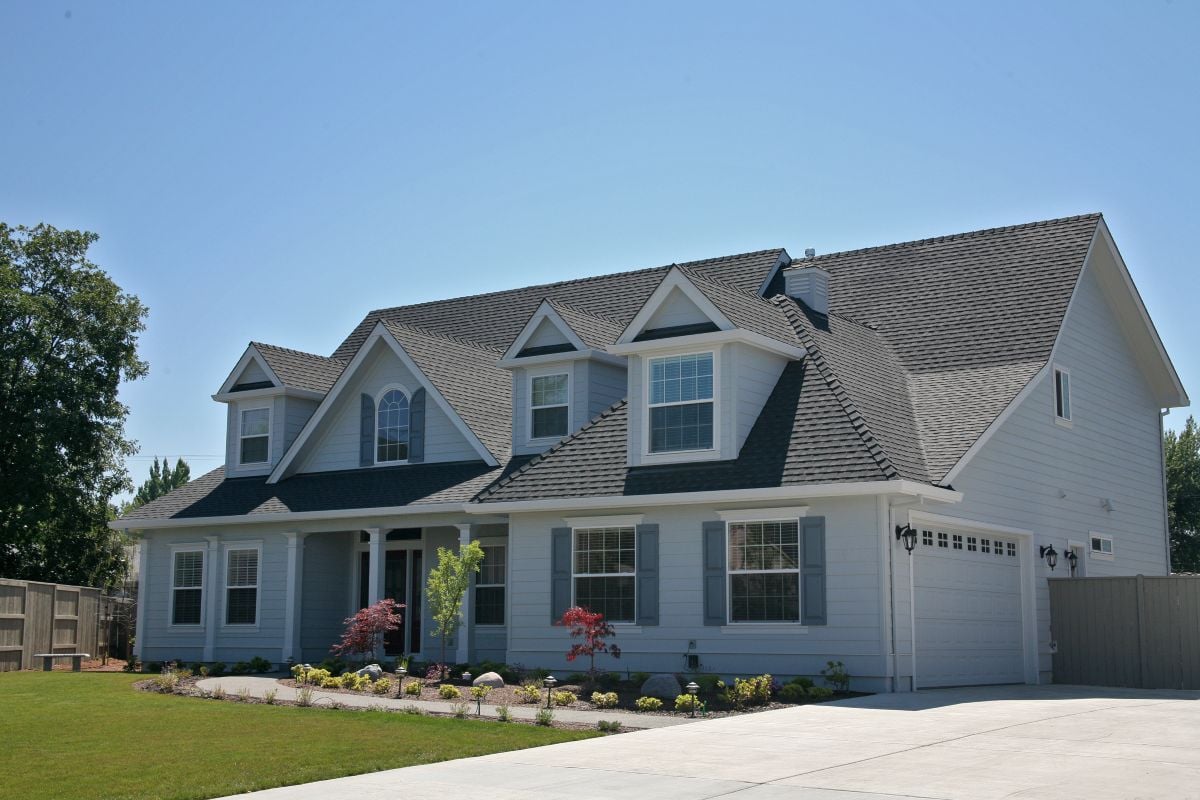
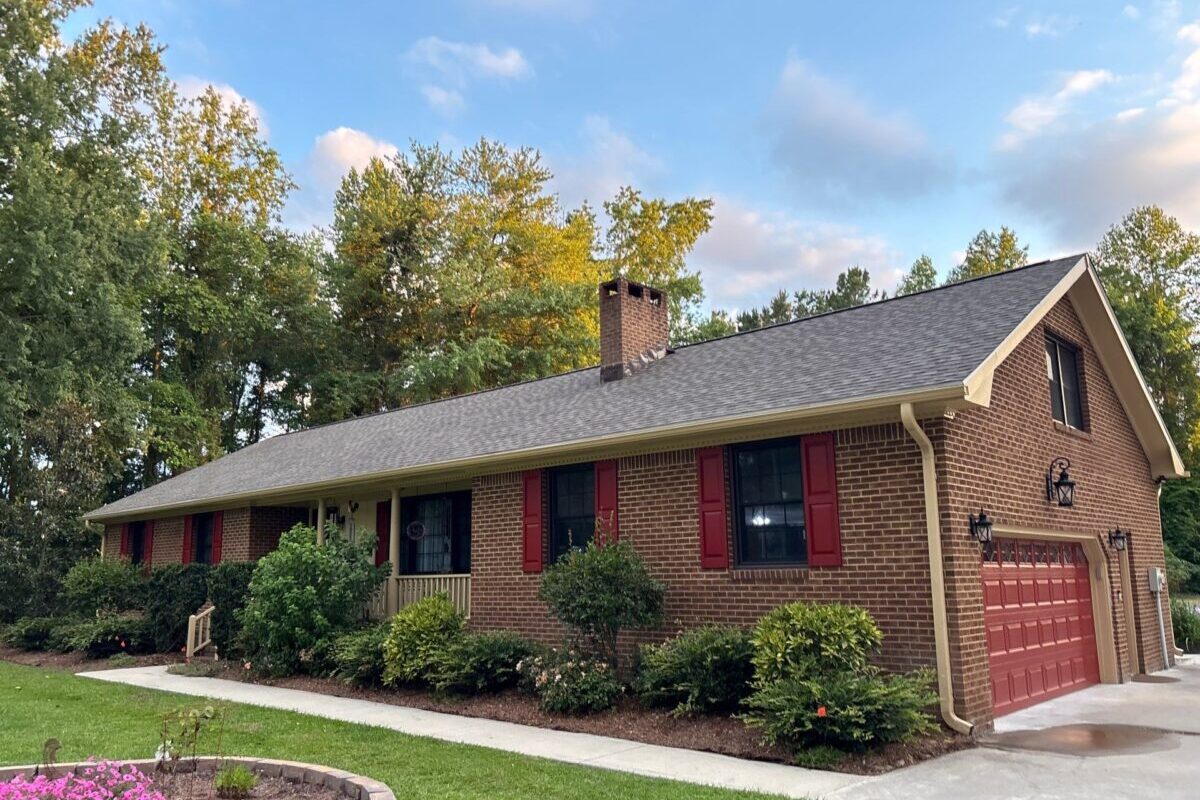
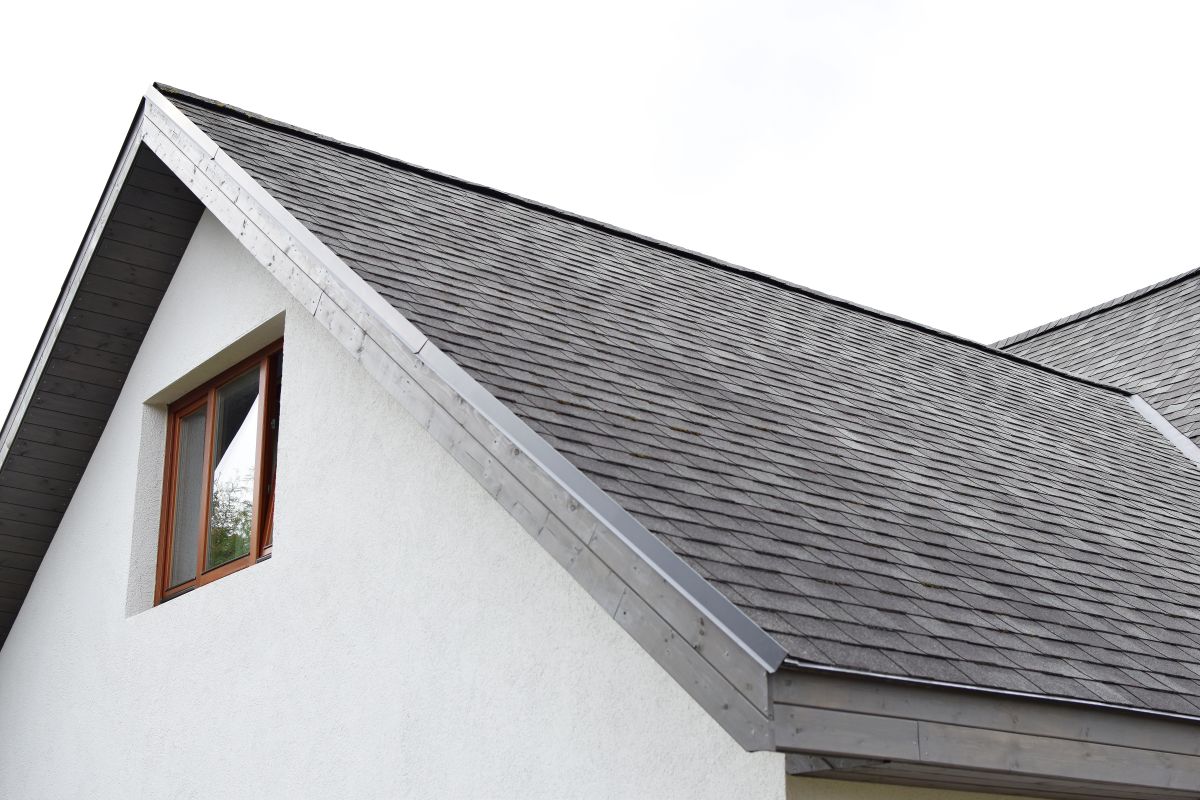
Eaves are the portions of a roof that extend beyond the exterior walls of a building, creating an overhang. Their primary purpose is to direct rainwater away from the siding and foundation, but they also support ventilation, provide shade, and contribute to the overall appearance of the home. The word itself comes from the Old English efes, meaning edge or border, which describes exactly what an eave is: the edge of the roof that projects out past the wall below it.
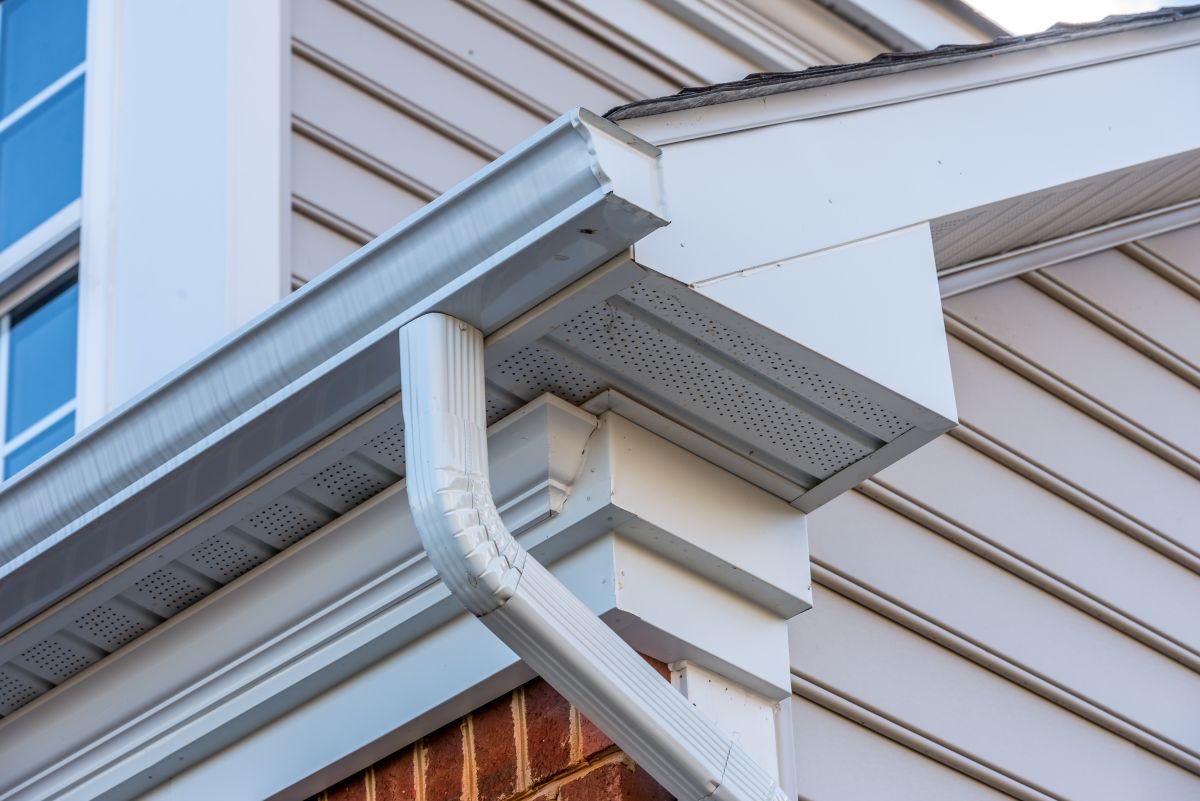
An eave is not a single part but an assembly of several components working together. Understanding these parts helps you communicate clearly with a roofing contractor and identify problems when they arise. The three main components are the fascia, which is the vertical board running along the roof edge that holds the gutters; the soffit, which is the horizontal underside panel of the eave, often vented to allow attic airflow; and the drip edge, which is the metal flashing that keeps water from seeping behind the fascia. Beneath these finished surfaces are the rafter tails, the structural ends of the roof rafters that extend past the wall and form the skeleton of the overhang.
Most homes have eaves ranging from 12 to 24 inches of overhang, though homes in wetter climates often use wider overhangs for better protection. In Leland and surrounding areas, where heavy rain is a regular part of the year, a generous, well-maintained eave is a meaningful line of defense for your home.
5 Reasons Eaves Matter For Your Roof
Eaves are easy to overlook because they blend into the overall look of a home, but each of the roles they play protects your home in a specific and important way. When any one of these functions fails, the consequences can extend well beyond the roof edge into your walls, foundation, and attic. Here is exactly why eaves matter.
1. They Direct Water Away From Your Home
The single most important job of an eave is water management. By extending beyond the exterior walls, eaves catch rainwater as it runs off the roof and channel it into the gutters, which then carry it safely away from the structure. Without this overhang, water would run straight down the exterior walls, seeping into siding, pooling around the foundation, and finding its way into the vulnerable joint where the roof meets the wall. Over time, that water intrusion leads to rot, mold, and foundation problems that are far more expensive to fix than the eave itself.
- Protects the walls: Eaves keep rainwater off the siding, preventing the staining, wear, and moisture penetration that lead to rot and mold in the wall assembly.
- Protects the foundation: By directing water away from the base of the home, eaves reduce the risk of soil erosion around the footings and water intrusion into basements and crawl spaces.
- Protects the roof-to-wall joint: The junction where the roof meets the wall is one of the most leak-prone areas of any home. The eave overhang shields this vulnerable point from direct water exposure.
- Reduces splashback: Eaves limit the amount of rain that splashes off the ground and back onto the lower walls, which helps preserve siding and reduces moisture near the foundation.
2. They Support Your Gutter System
Your gutters do not attach to thin air. They are mounted to the fascia board, which is a core component of the eave. Without a sound, properly installed fascia, there is nowhere to hang a gutter system, and gutters are essential for controlling the large volume of water a roof sheds during a storm. This makes the health of your eaves directly tied to the performance of your entire drainage system. A rotting or damaged fascia cannot securely hold gutters, which leads to sagging, pulling away, and eventual failure of the whole system.
- Provides the mounting surface: The fascia board is the structural attachment point for the entire gutter system. Its condition determines how securely gutters can be hung.
- Bears the load: Gutters full of water and debris are heavy. A solid fascia is required to bear that weight without sagging or pulling loose from the roof.
- Keeps water flowing correctly: When the fascia is level and sound, gutters maintain the proper slope to drain efficiently. A warped or rotted fascia throws off gutter alignment and causes standing water.
- Prevents cascading damage: Failed fascia leads to failed gutters, which leads to uncontrolled water running down the walls and pooling at the foundation, a chain reaction that starts at the eave.
3. They Provide Critical Attic Ventilation
Many eaves incorporate vents in the soffit, the horizontal underside panel, that allow fresh air to flow into the attic space. This intake ventilation is a foundational part of a balanced roof ventilation system, working together with exhaust vents near the roof ridge to keep air moving through the attic. Proper attic ventilation prevents heat and moisture buildup that can shorten the life of your roof, drive up energy costs, and create conditions for mold growth. Without functioning soffit vents in the eaves, the entire ventilation system is compromised.
- Enables airflow: Soffit vents in the eaves draw cool, fresh air into the attic at the lowest point, which pushes hot, moist air out through vents near the ridge.
- Controls moisture: Proper eave ventilation prevents condensation from forming in the attic, which is a leading cause of mold, mildew, and wood rot in the roof structure.
- Extends roof life: Excessive attic heat degrades shingles from below and can shorten the lifespan of the entire roofing system. Good ventilation through the eaves helps materials last longer.
- Improves energy efficiency: A well-ventilated attic reduces heat buildup in summer, easing the load on your air conditioning system and helping to control cooling costs.
4. They Shade Your Home and Improve Energy Efficiency
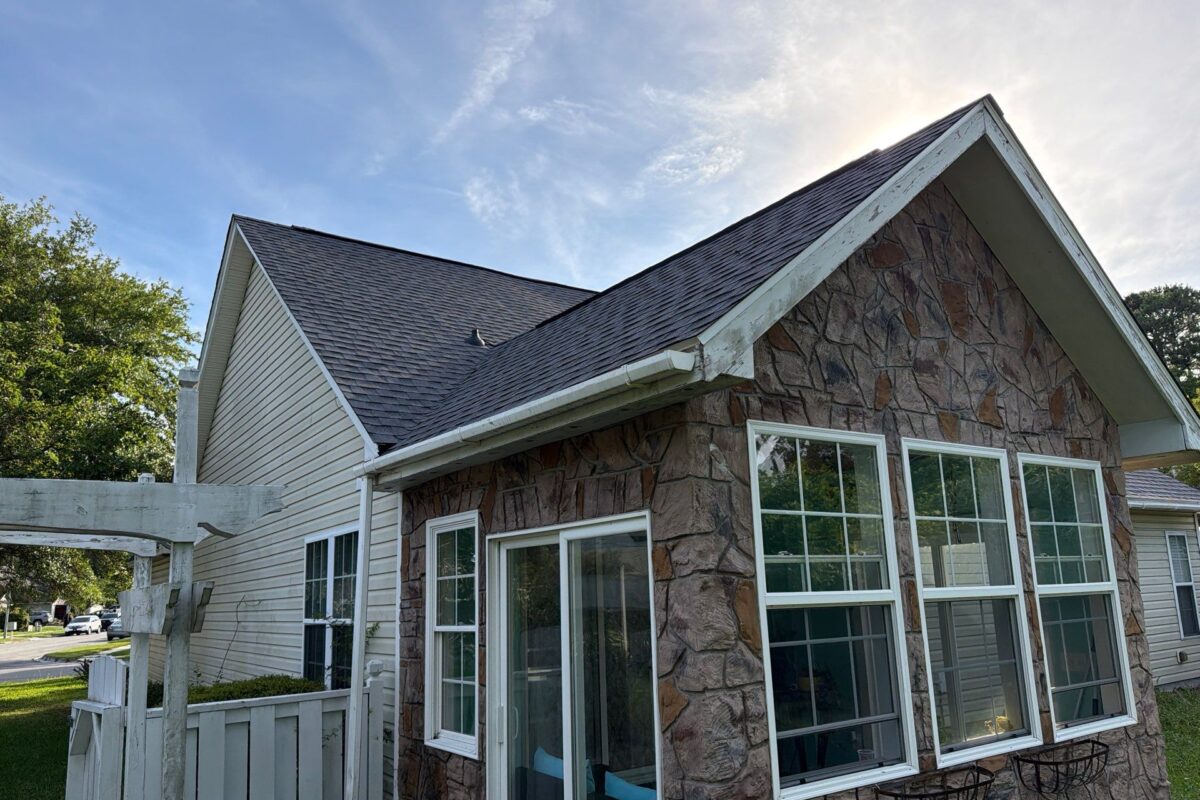
Eaves provide a passive form of climate control by shading the windows and walls beneath them. Because of the angle of the sun, an eave overhang blocks high summer sunlight from striking windows directly while still allowing lower winter sun to enter. This natural shading reduces heat gain inside the home during the hottest months, which lowers cooling costs and improves comfort. It is one of the oldest principles of passive solar design, and it works without any moving parts or energy input.
- Blocks summer heat: The overhang shades windows from high summer sun, reducing the amount of heat that enters the home and lowering the demand on air conditioning.
- Allows winter warmth: Because winter sun sits lower in the sky, it passes under the eave and enters the windows, providing natural warmth when it is wanted most.
- Protects interior finishes: By reducing direct sunlight on windows, eaves help protect flooring, furniture, and fabrics from UV fading.
- Reduces glare: The shading effect of eaves cuts down on harsh interior glare, letting homeowners keep blinds open without being overwhelmed by direct sun.
5. They Protect Structure and Enhance Curb Appeal
Beyond their functional roles, eaves protect the structural framing of your roof and contribute significantly to how your home looks. The overhang shelters the exposed ends of the roof rafters and the top of the exterior walls from constant weather exposure, which preserves the structural integrity of the roof edge over time. At the same time, eaves define the architectural character of a home. Wide overhangs with decorative brackets give a craftsman or coastal look, while clean, minimal eaves suit modern designs. A well-maintained eave line is one of the first things people notice about a home’s exterior.
- Shelters the structure: Eaves protect the rafter tails and the wall-to-roof junction from sun, rain, and wind, preserving the structural framing at the roof’s edge.
- Defines architectural style: The depth and detailing of eaves are central to a home’s character, from wide craftsman overhangs to sleek contemporary edges.
- Boosts curb appeal: Clean, freshly finished soffits and fascia give the entire roofline a crisp, cared-for appearance that enhances the look and value of the home.
- Supports wind resistance: The design of eaves affects how wind loads act on a roof. Properly built and maintained eaves contribute to the roof’s ability to withstand high winds during storms.
How Do You Know If Your Eaves Need Attention?
Because eaves are constantly exposed to the elements, they are often among the first parts of a roof to show wear. Catching problems early is the difference between a minor repair and a major structural fix. A small fascia repair caught in time can prevent a much larger and more costly problem down the road.
Warning signs to watch for include peeling or bubbling paint on the fascia or soffit, which often indicates trapped moisture; soft or spongy wood when you press on the fascia, a clear sign of rot; visible cracks, holes, or gaps in the soffit panels; dark streaking or staining, which points to water damage; sagging gutters, which suggest the fascia may be failing; and any signs of pest activity such as nests or entry holes in the soffit. If you notice any of these, especially soft wood or active leaks, it is worth having a professional take a look before the damage spreads to the rafter tails and roof structure, where repairs become significantly more expensive.
Frequently Asked Questions
What is the difference between eaves, soffit, and fascia?
The eave is the entire roof overhang that extends past the wall. The soffit is the horizontal panel that forms the underside of the eave, often vented for airflow. The fascia is the vertical board along the front edge of the eave that caps the rafter ends and holds the gutters. Together they make up the eave assembly.
Do all houses have eaves?
No. Some homes, particularly modern minimalist designs and homes with flat roofs, have little or no eave overhang. While this can suit certain architectural styles, homes without eaves are generally more vulnerable to water intrusion at the roof-to-wall junction and receive less passive shading and protection.
How far should eaves extend from the house?
Most residential eaves extend 12 to 24 inches beyond the exterior walls. Homes in rainy or sunny climates often benefit from wider overhangs of 24 to 36 inches for better water protection and shading. The ideal overhang depends on the roof pitch, the local climate, and the architectural style of the home.
How often should eaves be inspected?
Eaves should be visually inspected at least twice a year, typically in spring and fall, and after any major storm. Regular inspection allows you to catch peeling paint, soft wood, or pest activity early, before minor issues become structural problems. Cleaning gutters regularly is also key to protecting the fascia.
Can damaged eaves cause roof leaks?
Yes. Damaged fascia, soffit, or drip edge can allow water to penetrate behind the eave and into the roof structure, leading to leaks, rot in the rafter tails, and interior water damage. Because the eave protects the vulnerable roof-to-wall junction, eave damage often shows up as leaks elsewhere in the home.
Are eave repairs covered by homeowners insurance?
It depends on the cause. Sudden damage from a storm, fallen tree, or other covered peril is typically covered, while gradual deterioration from age or lack of maintenance is not. Stormgrade can inspect the damage, identify the cause, and help you understand whether an insurance claim applies.
Stormgrade Keeps Your Eaves and Your Whole Roof Protected
Eaves may be one of the less glamorous parts of your roof, but as you can see, they do essential work protecting your home from water, heat, and structural wear. Keeping them in good condition is a smart, cost-effective way to protect your entire roofing system. Stormgrade is a family-owned, GAF Master Elite, BBB Accredited roofing contractor serving homeowners throughout North Carolina and South Carolina, including Leland and surrounding areas, and we handle everything from soffit and fascia repair to complete roof systems.
We offer free inspections and can typically be on-site within 24 hours to assess your eaves, gutters, ventilation, and roof condition. Whether you have noticed peeling paint on your fascia, sagging gutters, or you simply want a professional to confirm everything is in good shape, our team gives you honest answers and clear recommendations. Financing is available, warranties are available on both materials and workmanship, and our maintenance program helps keep every part of your roof performing year after year.
Reach out to Stormgrade today to schedule your free roof inspection.