Storm Damage
Wind Damage to Roof: 8 Things to Do After Finding Storm Damage
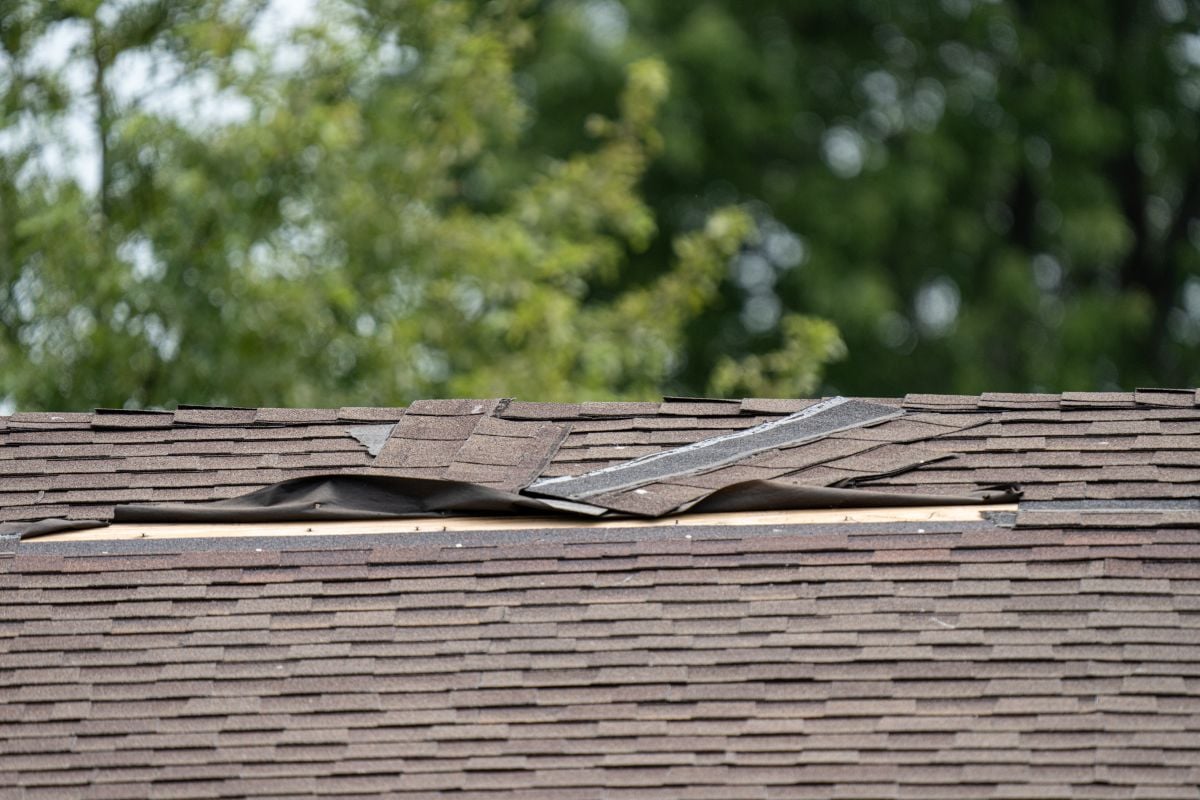
If you discover wind damage to roof areas after a storm, taking the right steps quickly can help prevent further damage and protect your home from expensive repairs. High winds can loosen roofing materials, create roof leaks, and weaken the overall roofing system even if the damage is not immediately obvious.
Storm damage should never be ignored, especially in areas like North and South Carolina where strong winds and severe weather are common. Knowing what to do after finding damage can make the insurance process smoother and help you avoid long-term structural issues.
- Fast action matters: Addressing wind damage quickly can help prevent roof leaks and additional structural damage.
- Hidden issues are common: Missing shingles and lifted roofing materials are not always easy to spot from the ground.
- Professional guidance helps: A professional roof inspection can identify damage and help you determine the next steps.
Why Wind Damage to Roof Areas Should Never Be Ignored
Wind damage can affect much more than just the surface of your roof. Even minor issues can allow moisture to enter the roofing system and create bigger problems over time.
Many homeowners only notice obvious signs like missing shingles, but storm damage often impacts flashing, roof vents, roof valleys, and the roof deck beneath the surface.
Wind Can Weaken the Entire Roofing System
Strong winds place pressure on multiple parts of the roof at once. This can loosen roofing materials, weaken seals, and create vulnerable areas where water can enter.
Even if the roof looks mostly intact from the ground, hidden damage may already exist beneath the shingles.
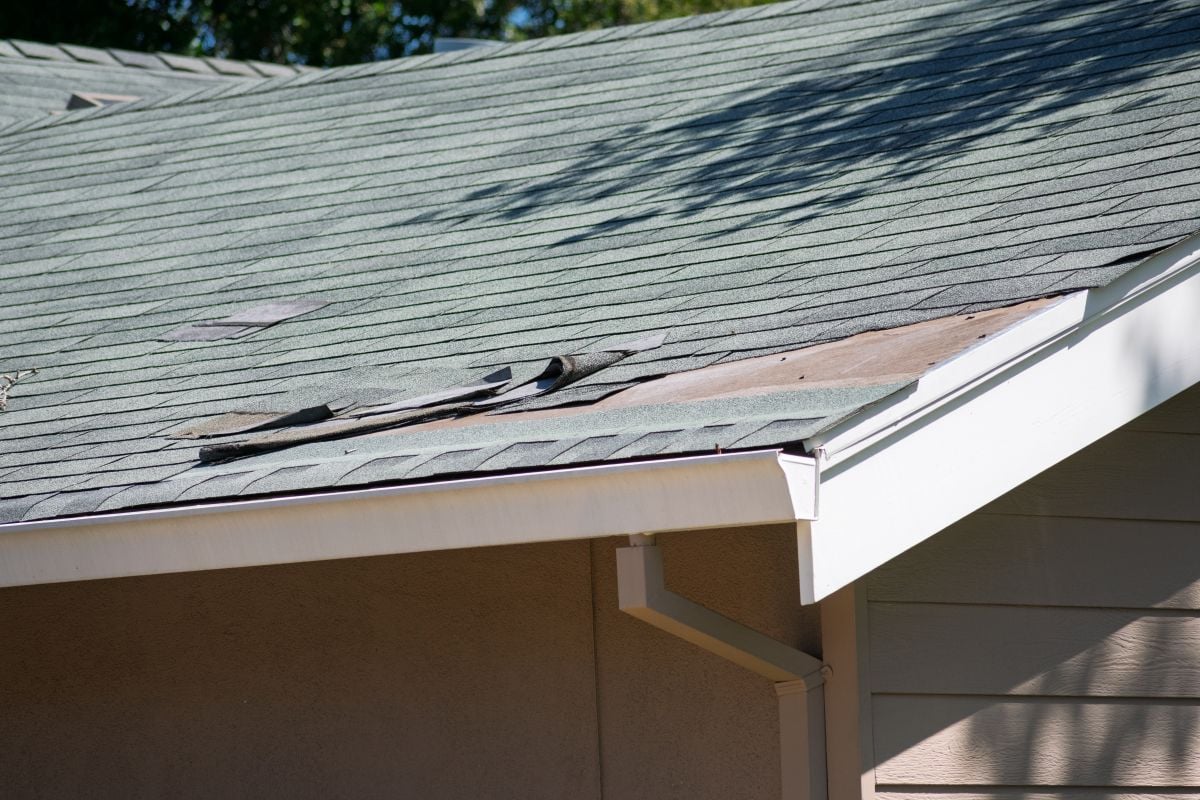
- Lifted shingles: Wind can break the seal holding shingles in place.
- Flashing movement: Metal flashing can separate during severe storms.
- Roof deck exposure: Underlying materials become vulnerable once shingles shift.
Storm Damage Often Leads to Roof Leaks
One of the most common results of wind damage to roof systems is water intrusion. Once roofing materials are compromised, rain can quickly enter the home and create additional issues.
Roof leaks can spread far beyond the original damaged area if not addressed quickly.
- Moisture intrusion: Water enters through damaged sections of the roof.
- Interior damage: Ceilings, insulation, and drywall may be affected.
- Mold growth: Lingering moisture creates ideal conditions for mold.
8 Things to Do After Finding Wind Damage to Roof Areas
Knowing how to respond after a storm can help you protect your home and simplify the repair process. These steps will help you handle storm damage safely and effectively.
1. Inspect the Roof From the Ground
Your safety should always come first after a storm. Instead of climbing onto the roof immediately, start by inspecting your home from the ground using binoculars if necessary.
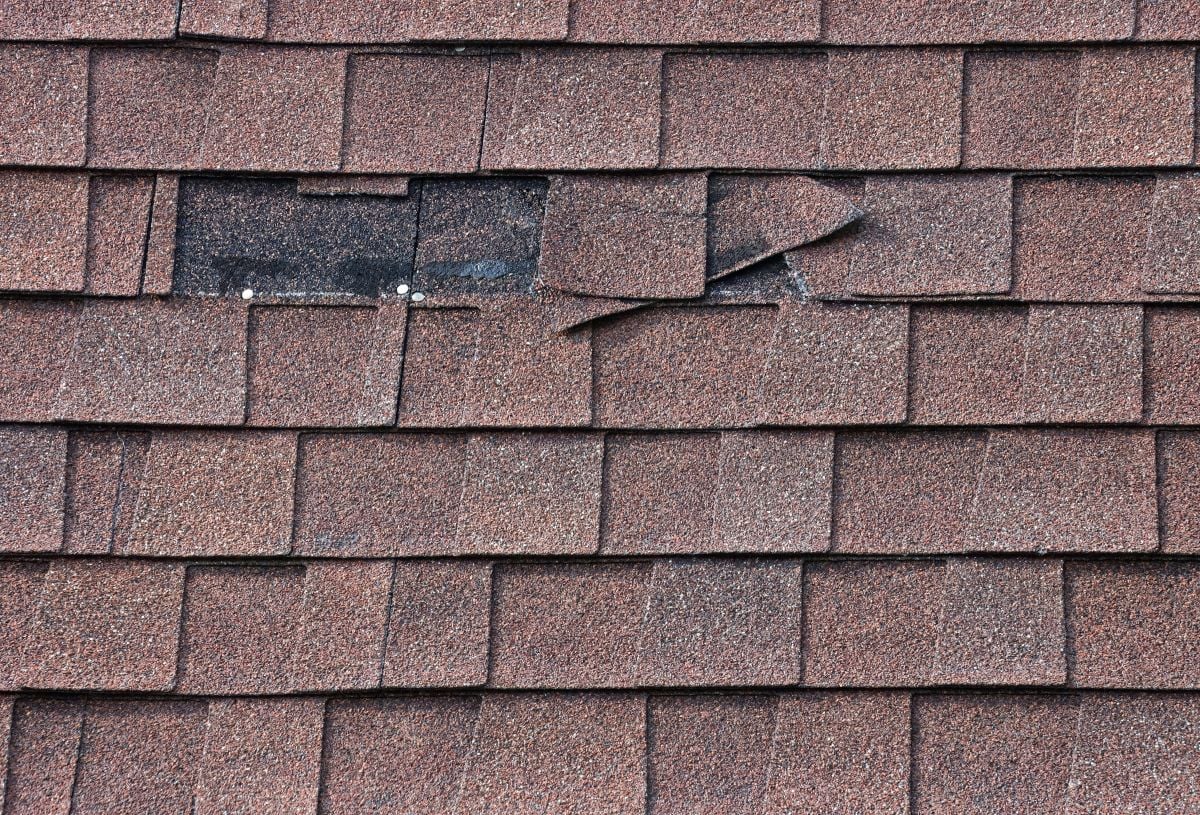
Look for obvious signs of wind damage to roof sections, including missing shingles, debris, or damaged roof vents.
- Missing shingles: Bare spots may indicate wind lifted materials away.
- Debris buildup: Fallen branches can damage roofing materials.
- Visible damage: Bent flashing or exposed areas should be noted.
2. Check for Signs of Roof Leaks Inside Your Home
Storm damage is not always visible from the exterior. Water intrusion may appear inside your home before you notice visible roof damage outside.
Inspect ceilings, attic spaces, and walls for signs of leaks or moisture after severe weather.
- Water stains: Discoloration often signals roof leaks.
- Damp insulation: Wet attic insulation indicates moisture intrusion.
- Musty odors: Lingering moisture may create mold concerns.
3. Document the Wind Damage Thoroughly
Before making temporary repairs or contacting your insurance company, document all visible storm damage carefully. This can help support your insurance claim later.
Take clear photos and videos of affected areas both inside and outside the home.
- Photo evidence: Capture all visible damage from multiple angles.
- Interior documentation: Include any signs of leaks or water damage.
- Storm debris: Photograph fallen branches or damaged materials.
4. Prevent Additional Damage With Temporary Protection
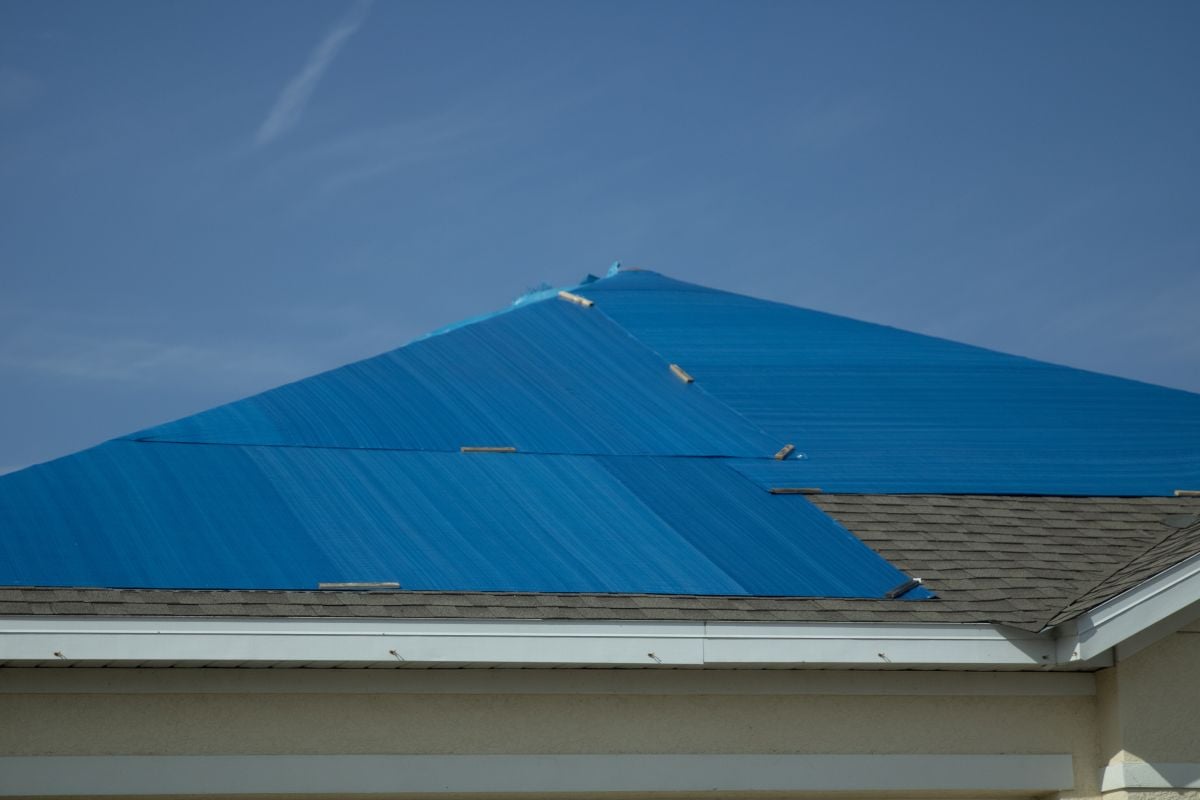
If your roof has exposed areas, temporary protection may help reduce further water intrusion until repairs can be completed.
This may include placing a tarp over damaged sections or protecting interior spaces from active leaks.
- Emergency tarping: Covers exposed roofing materials temporarily.
- Interior protection: Prevents additional water damage inside the home.
- Short-term solution: Helps stabilize the situation until repairs begin.
5. Schedule a Professional Roof Inspection
A professional roof inspection is one of the most important steps after storm damage. Many issues are difficult to identify without proper training and experience.
An experienced roofing contractor can assess the condition of the entire roof and identify hidden structural damage.
- Comprehensive assessment: Evaluates the full roofing system.
- Hidden damage detection: Identifies issues beneath the surface.
- Professional documentation: Provides support for insurance claims.
6. Understand Whether You Need Roof Repair or Roof Replacement
Not all storm damage requires a complete roof replacement. Some homes only need targeted roof repair, while others may require larger-scale work depending on the extent of the damage.
The age of the roof and the condition of the roofing materials both play a role in this decision.
- Localized damage: Small areas may only require roof repair.
- Widespread damage: Severe storms may justify roof replacement.
- Material condition: Older roofs are more vulnerable to failure.
7. Contact Your Insurance Company Quickly
Many homeowners insurance policies cover wind damage to roof systems caused by storms. However, waiting too long to report damage can complicate the claims process.
Prompt communication and proper documentation improve your chances of a smoother claim experience.
- Faster claims process: Early reporting helps avoid delays.
- Damage verification: Documentation supports your claim.
- Claim guidance: Contractors can often help explain findings.
8. Complete Repairs Before Problems Get Worse
Delaying roof repair after storm damage can allow minor issues to become major problems. Even small areas of damage can lead to leaks, mold, and structural concerns over time.
Completing repairs quickly helps restore the integrity of your roofing system and protects your home long term.
- Prevent further damage: Timely repairs stop issues from spreading.
- Protect structural integrity: Repairs strengthen the roofing system.
- Restore peace of mind: Knowing your home is protected matters.
Common Signs of Wind Damage Homeowners Miss
Not all storm damage is dramatic or obvious. In many cases, homeowners overlook smaller warning signs that eventually lead to bigger issues.
Knowing what to watch for can help you catch problems early before they become expensive repairs.
Lifted or Curled Shingles
Wind does not always remove shingles completely. Sometimes it simply loosens them or breaks the adhesive seal underneath.
These shingles may still appear attached while allowing water to enter beneath the surface.
- Broken seals: Wind weakens adhesive connections.
- Curled edges: Shingles may begin lifting over time.
- Hidden vulnerability: Water can enter beneath partially lifted shingles.
Damage Around Roof Vents and Valleys
Roof vents and roof valleys are common weak points during severe storms. These areas handle water flow and ventilation, making them especially vulnerable to wind-driven rain.
Damage here can quickly lead to roof leaks if not addressed.
- Cracked flashing: Water enters around damaged seams.
- Loose vent materials: Wind can weaken vent seals.
- Valley deterioration: High water flow increases leak risk.
Protect Your Home With Stormgrade
Wind damage to roof systems should never be ignored, even if the damage appears minor at first. Acting quickly after a storm can help prevent roof leaks, structural damage, and expensive future repairs.
Stormgrade specializes in helping homeowners navigate storm damage with honest guidance, professional roof inspections, and high-quality workmanship. Whether you need roof repair or a full roof replacement, our team will help you understand your options and move forward with confidence.
If you suspect storm damage after high winds or severe weather, contact Stormgrade today for a free inspection. We’ll assess your roof, document the damage, and help you protect your home before the problem gets worse.