
Storm Damage
Hail Damage Inspection: 8 Things Roofing Professionals Look for After a Storm
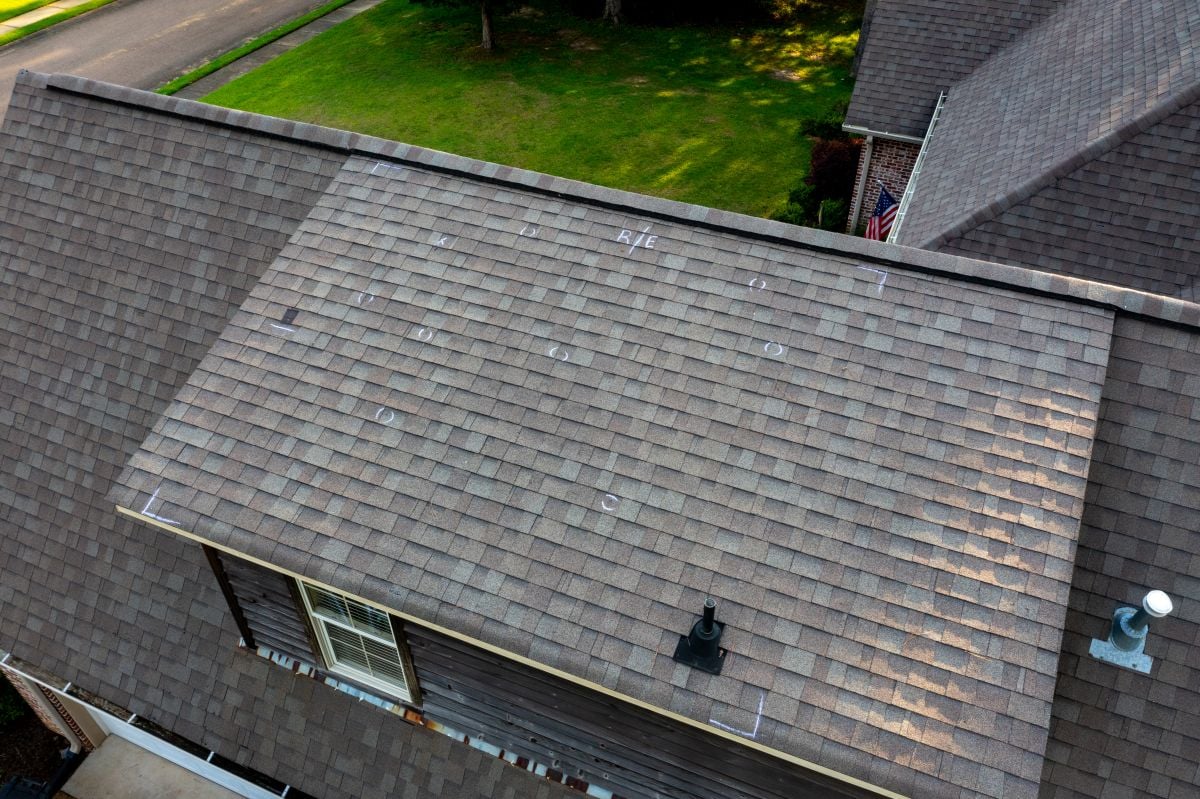
A thorough hail damage inspection is the only reliable way to know whether a hailstorm has compromised your roof, because much of the most serious hail damage is invisible from the ground and may not cause a visible leak for months. Hail can bruise shingles, knock loose the protective granules, and crack the roofing surface in ways that only a trained eye catches. By the time the damage shows up as a leak, the underlying problem has often spread and become far more expensive to fix. This guide walks you through the eight things roofing professionals look for so you understand what a real inspection involves.
Here is what this guide covers:
- What professionals check: The eight specific areas a trained roofer examines during a hail damage inspection.
- Why it matters: How hidden hail damage progresses into costly problems when it goes unaddressed.
- What to do next: How a professional inspection supports your insurance claim and protects your home.
Why a Professional Hail Damage Inspection Matters
Hail damage is deceptive. Your neighbor’s roof might show obvious destruction while yours looks untouched from the street, yet both roofs could have sustained serious damage. Much of the most consequential hail damage, including granule loss and hidden fractures in the shingle mat, is simply not visible from ground level. This is why a professional inspection is so valuable, and why relying on a quick look from the driveway can leave real damage undiscovered.
Beyond finding the damage, a professional inspection produces the documentation you need for an insurance claim. A detailed report from a qualified roofing contractor provides the third-party evidence that insurance companies require to validate a claim and approve repairs. Trained professionals also know how to distinguish genuine hail damage from normal wear, which matters because insurers look closely at that distinction. The eight things below are what a roofing professional systematically checks during a complete hail damage inspection.
8 Things Roofing Professionals Look for After a Storm
A professional hail damage inspection is systematic, covering the roof surface, the metal components, the drainage system, and the interior of the home. Each area tells part of the story, and together they reveal the full extent of the damage. In Florence and surrounding areas, where hailstorms are a recurring threat during storm season, knowing what a thorough inspection includes helps you choose a contractor who does the job right. Here is exactly what the professionals check.
1. Bruised or Soft Spots on Shingles
One of the first things a professional checks for is bruising, which is damage that you often cannot see but can feel. When hail strikes a shingle, it can fracture the mat beneath the surface without leaving an obvious mark. An inspector presses on suspected impact points to feel for soft or spongy areas, similar to how a bruise on fruit feels tender. These soft spots signal that the shingle’s structural integrity has been compromised, even if the surface still looks intact from a distance.
- How it is found: Inspectors gently press on suspected impact points to feel for soft, spongy areas that indicate a fractured shingle mat.
- Why it is easy to miss: Bruising frequently leaves little or no visible mark on the surface, so it cannot be spotted from the ground.
- What it means: A bruised shingle has weakened and will deteriorate faster, losing its ability to protect the roof over time.
- Long-term risk: Soft spots often develop into cracks and leaks months after the storm, which is why catching them early matters.
2. Granule Loss and Bare Spots
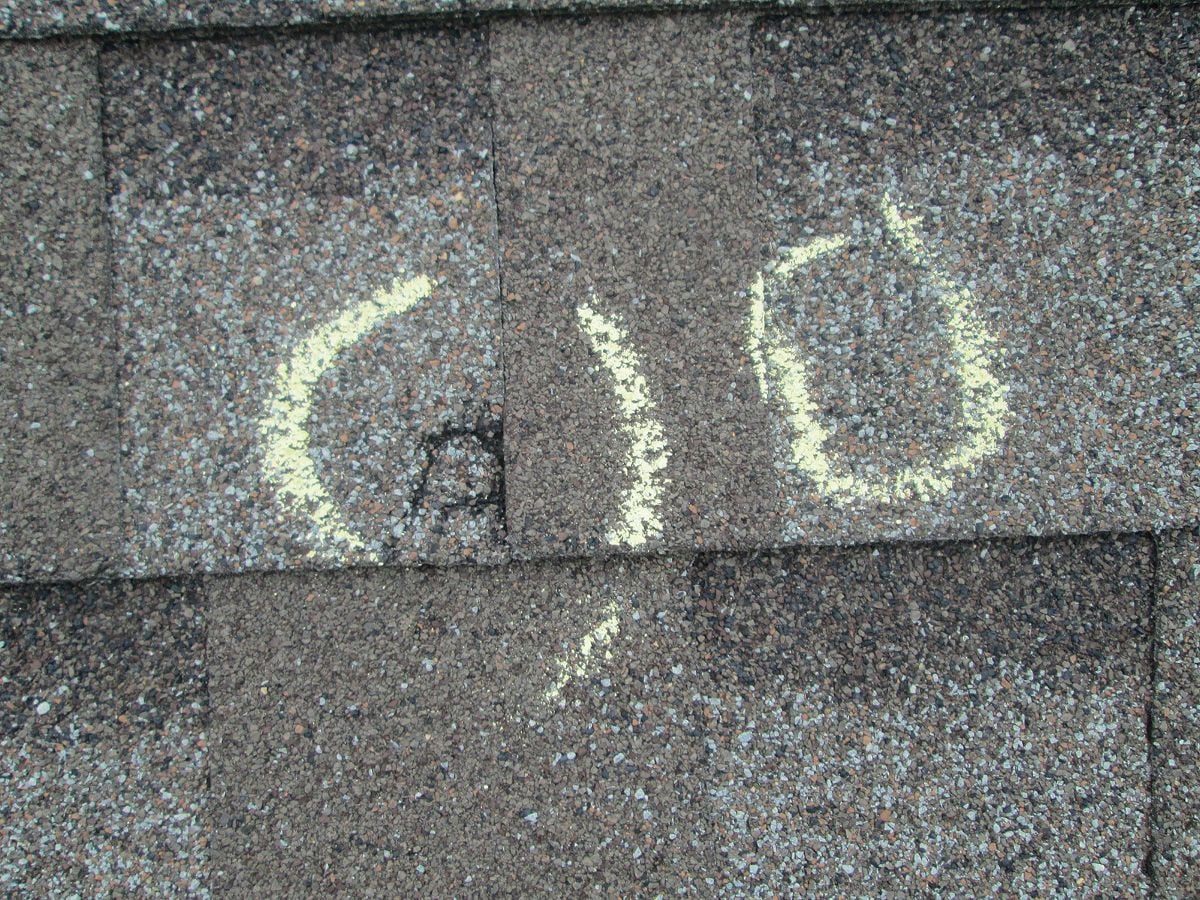
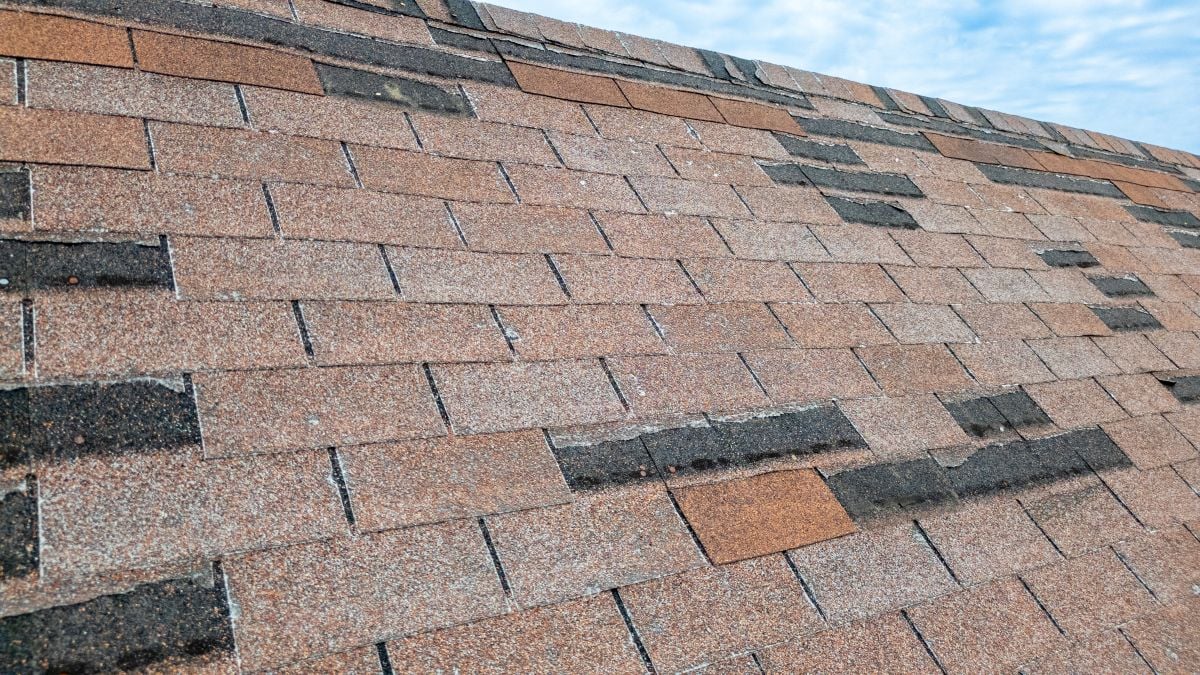
Asphalt shingles are coated with mineral granules that shield the underlying asphalt from UV rays and weather. When hail strikes, it knocks these granules loose, leaving dark or black spots where the asphalt mat is exposed. Professionals look closely for these bare patches across the roof surface, as they are one of the clearest signs of hail impact. Exposed asphalt degrades much faster under sun and weather, which shortens the lifespan of the entire roof.
- What it looks like: Dark or black circular spots where the protective granules have been knocked away, exposing the asphalt beneath.
- Why it matters: Without their granule coating, shingles are exposed to UV damage and weather, which accelerates deterioration.
- Where it shows up elsewhere: Inspectors correlate granule loss on the roof with granule accumulation in the gutters and downspouts.
- Lifespan impact: Significant granule loss can take years off a roof’s expected life if it is not addressed.
3. Cracks and Fractures in the Shingle Surface
Beyond bruising and granule loss, hail can cause visible cracks and fractures in shingles, especially larger hailstones striking at high velocity. Professionals examine shingles for small cracks or splits radiating out from a central impact point, which is a classic signature of hail. These fractures create direct pathways for water to reach the layers beneath the shingle, and they tend to worsen as the shingle expands and contracts with temperature changes.
- The telltale pattern: Cracks that radiate outward from a central impact point are a distinctive signature of hail damage.
- Why they spread: Fractures widen over time as shingles expand and contract with heat and cold, worsening the damage.
- Water entry risk: Cracks provide a direct path for water to penetrate to the underlayment and decking below.
- Size correlation: Larger hailstones tend to produce more pronounced cracking, which inspectors note when assessing storm severity.
4. Dents on Flashing and Metal Components
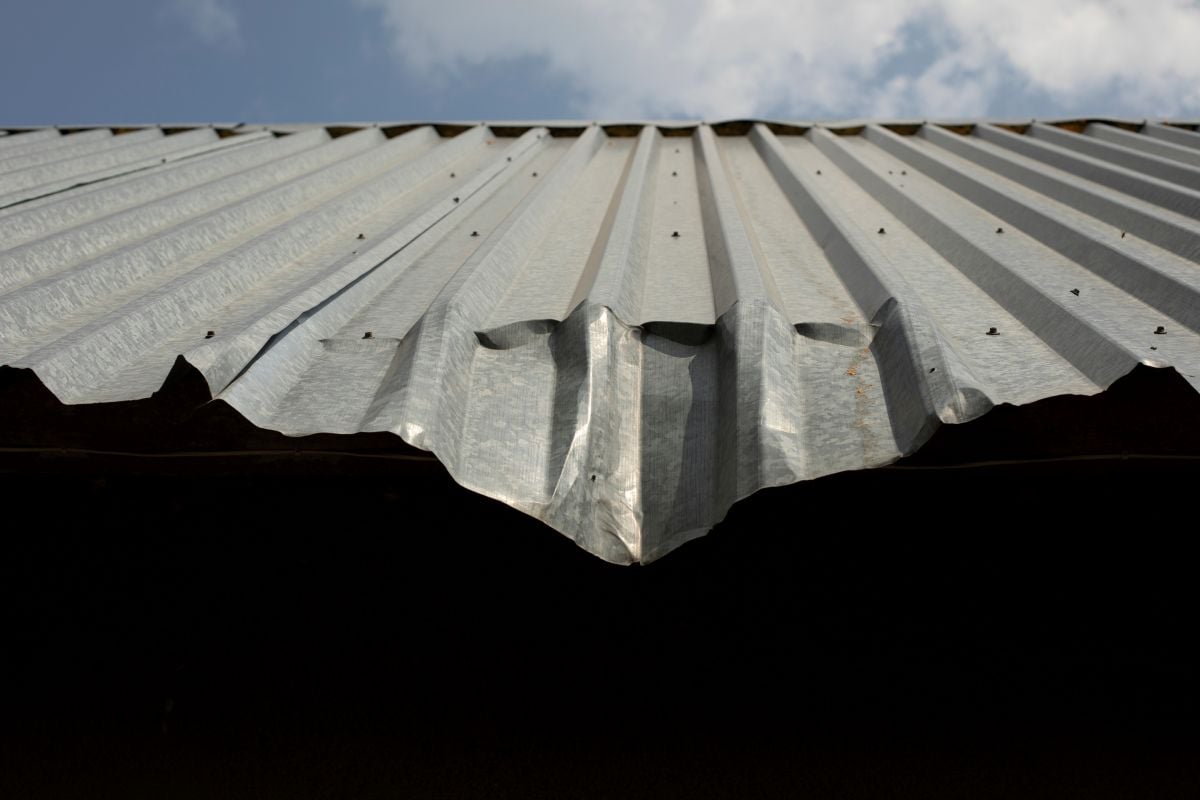
Metal components on a roof show hail damage more visibly than shingles, which makes them a valuable indicator for inspectors. Professionals examine the flashing around chimneys, skylights, and vents, as well as metal vent caps and any other metal features, for dents and dimples. Because these metal parts dent readily on impact, they help an inspector gauge the size and severity of the hail that struck the roof. Damaged flashing is also a direct concern, since it compromises the waterproof seal at the roof’s most vulnerable points.
- Where inspectors look: Flashing around chimneys, skylights, and vents, along with metal vent caps and other metal roof features.
- Why metal matters: Metal dents readily, so it serves as a clear gauge of hail size and the overall severity of the impact.
- Waterproofing concern: Dented or damaged flashing can lose its seal, creating leak points at critical roof transitions.
- Corroborating evidence: Dents on metal components help confirm hail damage on the shingles, supporting the overall assessment.
5. Dents and Granules in Gutters and Downspouts
The gutter system provides two important clues during a hail damage inspection. First, professionals check the gutters, downspouts, and gutter covers for dents and dimples, which are clear evidence of hail impact and another gauge of hail size. Second, they look inside the gutters and at the base of downspouts for accumulations of granules washed off the shingles. Large piles of granules that resemble coarse dark sand confirm that the shingles lost their protective coating during the storm.
According to the National Roof Certification and Inspection Association, much of the most serious hail damage, such as granule loss and hidden cracks, is invisible from the ground and can lead to costly leaks if left unaddressed, which is why professional inspection is strongly recommended over a DIY check.
- Dents in the gutters: Dimples and dents in gutters, downspouts, and covers are clear evidence of hail and help gauge its size.
- Granule accumulation: Piles of granules resembling coarse dark sand confirm the shingles lost their protective coating.
- Two clues in one place: The gutter system reveals both direct impact damage and secondary evidence of shingle damage.
- Accessible evidence: Because gutters are at ground level, they offer some of the most readily visible proof of hail impact.
6. Collateral Damage on Surrounding Surfaces
Experienced inspectors do not limit their assessment to the roof itself. They examine the surrounding property for collateral damage, because damage to ground-level and vertical surfaces indicates the severity of the hail and corroborates roof damage. Dents in air conditioning unit fins, damaged window screens, chipped paint on wood surfaces, dents in the mailbox, and marks on the siding all help build the complete picture. This collateral evidence is valuable both for assessing severity and for supporting an insurance claim.
- What inspectors check: Air conditioning units, window screens, painted wood, mailboxes, fences, and siding for dents and impact marks.
- Why it helps: Collateral damage on accessible surfaces indicates the severity of the hail without requiring dangerous roof access.
- Claim support: Documented collateral damage strengthens an insurance claim by corroborating the roof damage.
- Severity gauge: The extent of damage to surrounding surfaces helps an inspector estimate the size and force of the hail.
7. Interior and Attic Signs of Water Intrusion
A complete hail damage inspection extends inside the home. Professionals check the attic and ceilings for signs that damage has already allowed water to enter. This includes water stains on the underside of the decking, damp or discolored insulation, and stains or discoloration on interior ceilings and walls. Interior water signs indicate that the hail damage has already created entry points for water, which raises the urgency of repairs before the moisture leads to rot and mold.
- In the attic: Inspectors look for water stains on the decking, damp insulation, and any signs of moisture intrusion.
- In the living space: Stains, discoloration, or bubbling on ceilings and walls can indicate water entering from roof damage.
- What it signals: Interior water signs mean the damage has progressed past the surface and water is already getting in.
- Urgency indicator: Evidence of water intrusion raises the priority of repairs to prevent rot, mold, and further damage.
8. Overall Age and Condition Assessment
Finally, a professional puts the hail damage in context by assessing the overall age and condition of the roof. Distinguishing fresh hail damage from pre-existing wear is an important part of the process, since insurance covers sudden storm damage but not general deterioration. Fresh hail damage typically shows sharp, clean edges and bright, newly exposed material, while older wear appears weathered and rounded. This assessment helps determine whether repair or full replacement is the right path and ensures the inspection report accurately reflects storm-related damage.
- New vs. old damage: Fresh hail damage has sharp edges and bright exposed material, while older wear looks weathered and rounded.
- Why it matters for claims: Insurance covers sudden storm damage but not age-related wear, so this distinction is central to a claim.
- Repair or replace: The overall condition assessment helps determine whether targeted repairs or a full replacement makes more sense.
- Accurate documentation: A professional ensures the report reflects genuine storm damage, which supports a fair claim outcome.
What Should You Do After a Hailstorm?
The single most important step after a hailstorm is to schedule a professional inspection promptly, ideally within a few days, even if your roof looks fine from the ground. Because so much hail damage is invisible from below, waiting to see whether problems develop often means discovering them only after they have worsened. Prompt inspection also matters for insurance, since many policies have filing deadlines and waiting too long can jeopardize a claim.
When choosing who inspects your roof, avoid the storm chasers who flood an area after severe weather, demand large upfront payments, or pressure you into immediate decisions. These are warning signs of unreliable operators. Instead, choose an established, local, certified contractor with a reputation in the community and the accountability to stand behind the work. It is also wise to have your contractor present when the insurance adjuster inspects the roof, so covered damage is thoroughly documented from the start. This is one of the best ways to ensure a fair assessment and a successful claim.
Frequently Asked Questions
How soon after a hailstorm should I get an inspection?
Schedule a professional inspection within a few days of the storm. Prompt inspection catches damage before it worsens and ensures you meet any insurance filing deadlines. Because hail damage is often invisible from the ground, it is worth inspecting even if your roof appears undamaged.
Can I inspect my roof for hail damage myself?
You can check for some signs from the ground and inside your attic, such as dented gutters, granules in downspouts, and interior water stains. However, much of the most serious hail damage is not visible without close professional examination, and climbing on the roof is dangerous. A professional inspection is strongly recommended.
Does insurance cover hail damage to my roof?
Most homeowners policies cover sudden hail damage as a covered peril. Damage from age or wear is not covered. A professional inspection report provides the documentation insurers require, and acting within your policy’s filing deadline improves the likelihood of approval. Your out-of-pocket cost is typically limited to your deductible.
What size hail causes roof damage?
Hail as small as one inch in diameter can damage asphalt shingles, and larger hail causes progressively more severe damage. However, factors like hail density, wind speed, and the age and condition of the roof all influence the extent of damage, so even smaller hail can cause problems worth inspecting.
How long does a hail damage inspection take?
A thorough professional hail damage inspection typically takes one to two hours, depending on the size and complexity of the roof. The inspector examines the roof surface, metal components, gutters, surrounding property, and interior, then documents the findings in a detailed report.
Should my contractor be present when the insurance adjuster inspects?
Yes, it is highly advisable. Having your contractor present when the adjuster inspects the roof helps ensure that all covered damage is thoroughly documented. The contractor can point out damage the adjuster might otherwise miss, which supports a fair and complete claim assessment.
Stormgrade Is Your Trusted Hail Damage Inspector in the Carolinas
A professional hail damage inspection protects both your home and your wallet, and choosing the right contractor to perform it makes all the difference. Stormgrade is a family-owned, GAF Master Elite, BBB Accredited roofing contractor and storm damage specialist serving homeowners throughout North Carolina and South Carolina, including Florence and surrounding areas. Our trained team knows exactly what hail damage looks like, including the hidden damage that is so easy to miss, and we document everything thoroughly to support your insurance claim.
We offer free inspections and can typically be on-site within 24 hours, which matters most in the critical window after a hailstorm. We work directly with your insurance adjuster, help you navigate the claim process from start to finish, and complete quality repairs backed by real warranties. Financing is available, warranties are available on both materials and workmanship, and our maintenance program helps keep your roof storm-ready year-round.
If hail has hit your area, reach out to Stormgrade today to schedule your free hail damage inspection. The proof is in the roof.